
How to Know If You’re Stuck in an Internet Monopoly—and What to Try Next

Mr. Monopoly in the city. Image credit: iStock.com/Gregory Rodriguez.

// Why internet choice is still rare in many metro areas
Trevor Wheelwright
Mar 09, 2026
Icon Time To Read2 min read

Not every market offers competitive choices for speed, pricing, or provider variety. In fact, our recent Internet Monopoly Map analysis found over 8.7 million Americans live in metro areas with only one wired broadband provider, and fewer than 10% of 100+ metro areas offer two or more providers on most blocks.

We'll help you identify the signs of a one-provider market and walk you through realistic steps you can take, whether that's leveraging existing accounts or exploring wireless alternatives, even if a switch isn't always possible.


The hidden reason “just switch providers” doesn’t work

For 8.7 million Americans with only one wired broadband provider available, there isn't much choice when it comes to internet services, plans, or pricing, which means they can't simply switch providers.

Internet monopolies might not seem like the norm for some areas, but the reality is that fewer than 10% of 100+ metro areas offer two or more choices, leaving many customers without additional options to better match their speeds with their budgets.

6 signs you’re effectively stuck in an internet monopoly

Places like Springfield, Ohio, stand out as examples of an urban monopoly, where roughly 60% of customers only have one wired option. You might be in an internet monopoly, too.

Have you ever encountered these internet monopoly issues?

  1. You only found one wired result for your address.
  2. You don't get better offers for renewing or switching internet service (via mail, calls, etc.)
  3. You face price jumps without alternatives.
  4. You have data caps with overage fees, but no other high-speed options to switch to.
  5. Your internet speed, reliability, or technology (like outdated DSL) is significantly worse than that of neighboring towns.
  6. You experience a "take it or leave it"-style customer service with no accountability.

Why monopolies show up even in metro areas

The ‘last mile’ of connecting fiber optic cable to customers is the most expensive and time-consuming phase, requiring digging up sidewalks and lawns, hanging wires between utility poles, and getting permits for every home. This means expansion is easier where providers and built-in customers already exist, but harder for smaller companies to compete for the same addresses.

Limited choice can feel frustrating, especially when it means you're stuck with a plan that isn't fast enough for the price, or you can't find affordable internet in the first place. And on top of that, internet plans and pricing can be unclear and confusing. Customers often complain about unexpected costs or hidden fees. Notably, 59% of consumers feel misled by pricing.

Beyond switching, how do you lower your internet bill? Let’s go over a few options.

What you can try next if there’s only one wired provider

You may know that fiber is ideal for home internet. Cable has made great leaps in speed and reliability. They provide faster, more reliable speeds without the interference or latency issues that can delay wireless signals and slow down responsiveness. However, that doesn’t matter much when your options are still limited.

Fortunately, 5G home internet and satellite connections offer wireless options that can help folks get their internet needs met. While wired connections are often preferable, they are sometimes impossible or too costly.

Thanks to new innovations and products, wireless internet connections have vastly improved and lessened the effect of these technical delays. You may be surprised at how fast and smooth your internet feels the majority of the time, and if nothing else, slow internet is better than no internet.

How to check your address and set expectations

As you seek out local internet providers for your home address, be sure to check various sites rather than going directly to the first big providers you see. There may be options you're unaware of.

If you're currently experiencing less-than-ideal service but are stuck with a single provider, it's important that you document any service issues and customer service communications, as they may help leverage a better deal for future service.

And if it's any consolation, you're not alone. Over 8.7 million Americans are affected by living in an internet monopoly.

Trevor Wheelwright
Written by
Trevor’s written about YMYL (your money, your life) topics for over six years across editorial publications and retail/eCommerce sites. His work’s been featured on Forbes, RealSimple, USA Today, MSN, BusinessInsider, Entrepreneur, PCMag, and CNN. When he’s not researching and writing, you can find him around Salt Lake City, Utah, snapping photos of mountains and architecture or seeking out some good tunes and friendly faces.

Related Articles

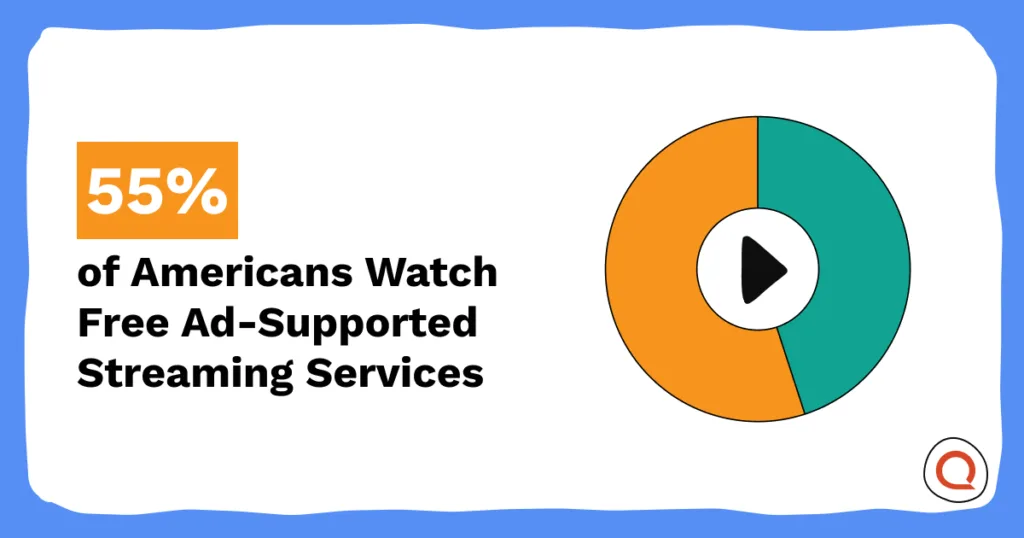
Donut chart showing 55% of Americans watch free ad-supported streaming services.
More Than Half of Americans Watch Free Streaming Because They Can’t Justify Another Bill
More than half of Americans use free streaming because they can’t justify another paid subscription...
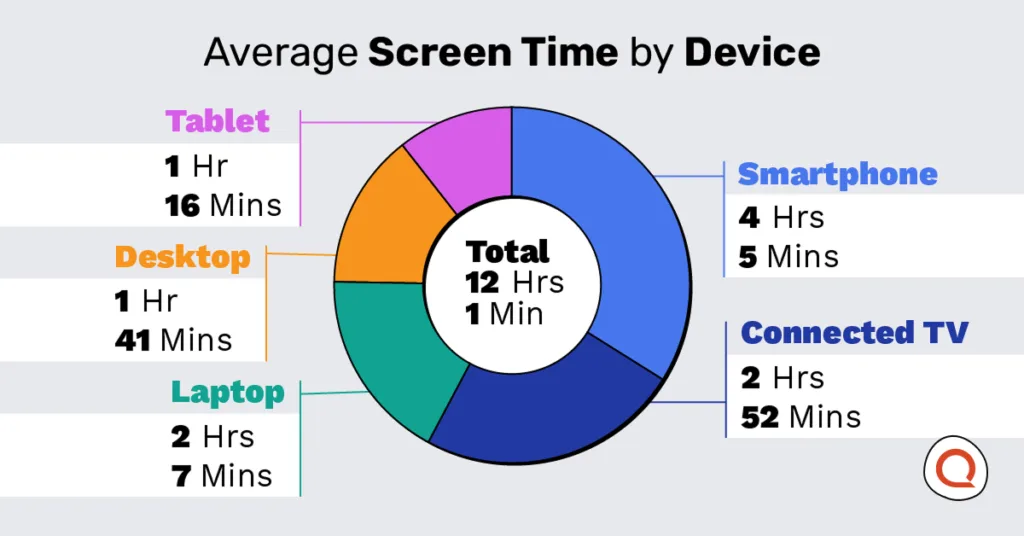
Donut chart showing average daily screen time of 12 hours by device: smartphone 4h 5m, connected TV 2h 52m, laptop 2h 7m, desktop 1h 41m, tablet 1h 16m.
Americans Spend 12 Hours a Day on Screens—Here’s Where All That Time Goes
Americans now average 12 hours and 1 minute of screen time across devices each day,...
Fox and Roku logos side by side, representing Fox's acquisition of Roku.
Fox’s Roku Acquisition Is Bad News for TV Lovers—Here’s Why
Fox's Roku acquisition could reshape streaming TV’s most popular device with more ads, less competition,...
Netflix featured image
Why Americans Are Canceling Their Netflix Subscriptions
Nearly half of American consumers have cut streaming subscriptions in the past year as household...