
Only 29% of Americans plan to upgrade their phone in the next 12 months

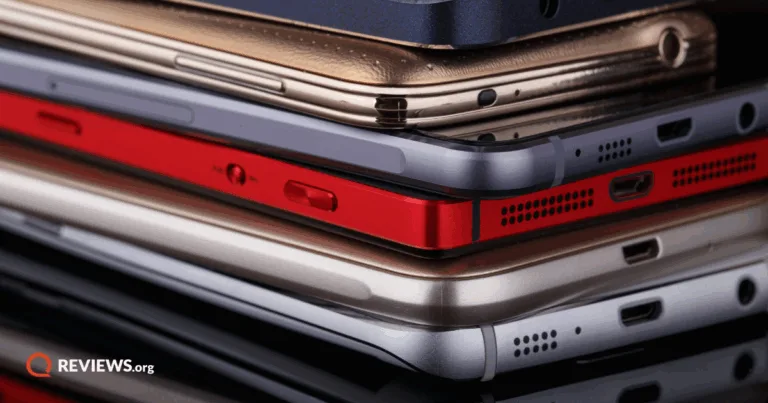
A stack of phones. Americans want to upgrade their phones sooner than they actually do. Image credit: iStock.com/

// The phone upgrade you want and the one you can afford are 13 months apart
Trevor Wheelwright
Mar 11, 2026
Icon Time To Read2 min read
Icon CheckEdited ByBrenna Elieson

Americans keep phones about 29 months on average

According to the Reviews.org report Smartphone Lifespan Report 2025, Americans upgrade their smartphones about every 29 months (from a Pollfish survey of 1,000 U.S. adults' self-reported upgrade habits, conducted Sept. 8, 2025).

Many people might assume we like to upgrade our phones every year. However, there is a gap between when we want to upgrade and when we actually commit to a new phone.

People want to upgrade sooner than they actually do

In the Reviews.org report, while most Americans have had their phones for 22 months, the actual desired upgrade timeline is 16 months. That six-month gap comes down to a few factors, but the primary reason is cost.

Still, 29% of survey respondents said they planned to upgrade in the next 6–12 months, which means there tends to be a gap between our expectations and what we can feasibly afford. And why people upgrade isn't always for the flashy new features, either.

Battery and performance drive upgrades more than new features

What actually drives upgrades, more than a new camera or the latest model, comes down to everyday use: 22% of people said performance was the top driver for upgrading, followed by 18% who cited battery issues.

It's worth noting that most people aren't necessarily switching just to get a new plan with more data or to keep up with current trends.

The gap between wanting to upgrade and actually doing it is easy enough to understand — it's a matter of ideals vs. reality. Phones aren't cheap, and if you have one that works well enough, you've got what you need.

The money side of upgrading

According to that same report, the average phone cost was $634.35, no small amount for most people. While 47% of folks paid upfront, 35% financed through their carrier, and 5% financed through the manufacturer, showing that though some people can afford a new phone outright, others would rather break that amount into easier-to-handle monthly payments.

What this shift means for everyday consumers

We use our phones every day, all day — they're tools that have to do their job. When they can't anymore, that's the real sign it's time to upgrade.

Some may want the latest and greatest model and prioritize certain features more than others, but most people just need something that works with minimal frustration. It's worth protecting your phone with a case and screen protector to ensure longevity, and making sure you're charging it properly. Other than that, phones can last quite a few years before a pricey replacement is necessary.

Trevor Wheelwright
Written by
Trevor’s written about YMYL (your money, your life) topics for over six years across editorial publications and retail/eCommerce sites. His work’s been featured on Forbes, RealSimple, USA Today, MSN, BusinessInsider, Entrepreneur, PCMag, and CNN. When he’s not researching and writing, you can find him around Salt Lake City, Utah, snapping photos of mountains and architecture or seeking out some good tunes and friendly faces.

Related Articles

2026 Consumer Trust Survey: 67% Considered Switching ISPs Over Hidden Fees
The Broadband Equity, Access, and Deployment (BEAD) program allocates $42.5 billion among U.S. states and...
Netflix featured image
Why Americans Are Canceling Their Netflix Subscriptions
Nearly half of American consumers have cut streaming subscriptions in the past year as household...
Who’s Really on Their Phone the Most? Depends on How You Measure It
Gen Z spends over 4 hours a day on smartphones, while Boomers pick up phones...
Watching Sports Now Costs the Average Household $1,475 Per Year
Americans now spend nearly $1,500 a year to watch live sports. See the breakdown of...