
65% Feel Misled by Their ISP—Here’s What’s Driving It

Woman reviewing finances at a desk in her home. Image credit: iStock/damircudic

Woman reviewing finances at a desk in her home. Image credit: iStock/damircudic

// Hidden fees make consumers consider switching providers
Trevor Wheelwright
Apr 22, 2026
Icon Time To Read2 min read
Icon CheckEdited ByBrenna Elieson

Why 65% say ISP pricing feels misleading

According to Reviews.org's 2026 Consumer Trust Survey, 65% of consumers say they feel misled by ISP pricing or plan terms.

Consumers thought they were paying one price — the advertised price, plus taxes and a few other fees up front — but instead wound up with a higher price and a bill that includes every fee, whether it was openly discussed or not.


Billing moments that drive confusion

Over half of respondents (56%) say providers are not transparent about pricing. That means the remaining 44% believe their providers are transparent, pointing to a split in consumer experience, which is what the FCC Broadband Nutrition Labels aim to address.

Savvy shoppers may already know to watch for certain charges, like service fees, activation fees, installation fees, and equipment rental costs, and promotional rates that eventually roll off. But other charges are harder to spot: regulatory line items, taxes, speed fees, and data overage fees are often buried in the fine print or omitted from advertised pricing.

Hidden fees and switching behavior

When people can't match the advertised price to their bottom line, it becomes harder to budget and easier to lose confidence in their provider. That uncertainty leads to bill questions, plan changes, or shopping for alternatives: 67% say hidden fees have made them consider switching providers.

For internet providers, this means ISP pricing transparency helps improve both customer acquisition and retention. For consumers, it means recognizing where hidden fees are coming from and deciding whether they can budget for them.

A quick checklist to review your internet bill

Have you felt misled by your internet provider? Here’s a quick checklist of ways to get on the same page as your provider before contacting support or switching:

  • Confirm base plan price and any additional fees
  • Check when promotions end
  • List recurring add-ons
  • Review any equipment charges
  • Note anything unclear in the contract

By giving your internet bill an audit, you can better understand what your monthly budget actually buys. You can always cut services you don’t use, negotiate for a better deal through bundling or promotions, or find other ways to lower your internet bill.

Methodology

To compile the data for the 2026 Consumer Trust Survey, we conducted an online survey of 1,000 Americans on Feb. 22, 2026. The survey was designed to gauge consumer sentiment regarding home service costs, price transparency, and provider trust.

To ensure the findings accurately represent the national landscape, the results were stratified to reflect the current U.S. population according to census data for age, gender, and geographic region. The margin of error for this study is ±3% with a 95% confidence level.

Trevor Wheelwright
Written by
Trevor’s written about YMYL (your money, your life) topics for over six years across editorial publications and retail/eCommerce sites. His work’s been featured on Forbes, RealSimple, USA Today, MSN, BusinessInsider, Entrepreneur, PCMag, and CNN. When he’s not researching and writing, you can find him around Salt Lake City, Utah, snapping photos of mountains and architecture or seeking out some good tunes and friendly faces.

Related Articles

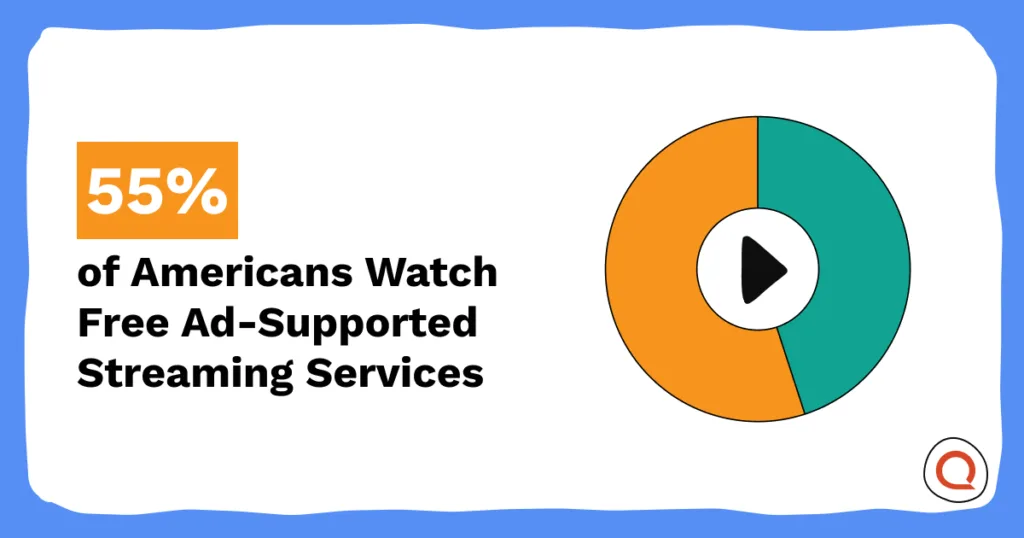
Donut chart showing 55% of Americans watch free ad-supported streaming services.
More Than Half of Americans Watch Free Streaming Because They Can’t Justify Another Bill
More than half of Americans use free streaming because they can’t justify another paid subscription...
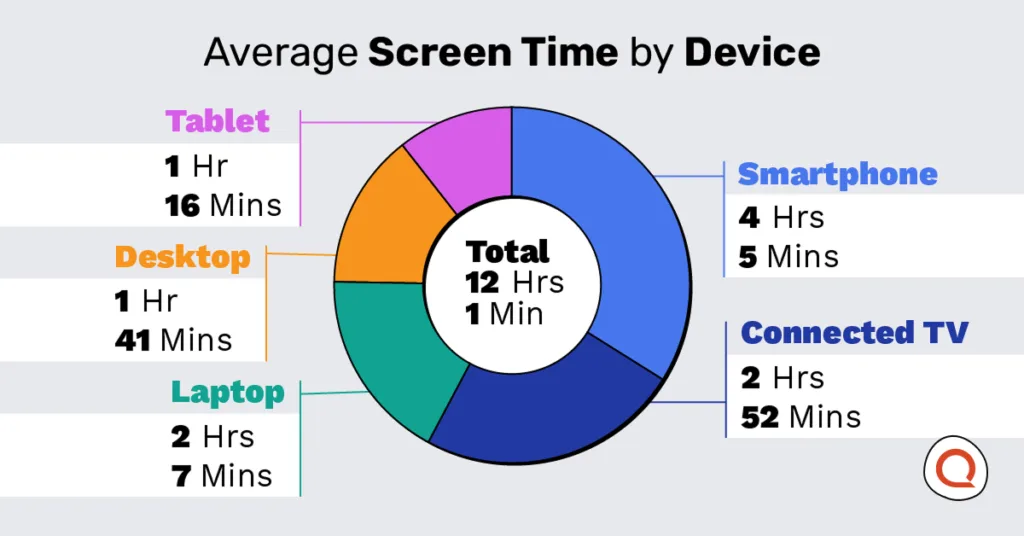
Donut chart showing average daily screen time of 12 hours by device: smartphone 4h 5m, connected TV 2h 52m, laptop 2h 7m, desktop 1h 41m, tablet 1h 16m.
Americans Spend 12 Hours a Day on Screens—Here’s Where All That Time Goes
Americans now average 12 hours and 1 minute of screen time across devices each day,...
Fox and Roku logos side by side, representing Fox's acquisition of Roku.
Fox’s Roku Acquisition Is Bad News for TV Lovers—Here’s Why
Fox's Roku acquisition could reshape streaming TV’s most popular device with more ads, less competition,...
Netflix featured image
Why Americans Are Canceling Their Netflix Subscriptions
Nearly half of American consumers have cut streaming subscriptions in the past year as household...