
Is Your Wi-Fi Getting More Expensive? 73% of Americans Say “Yes”

Young family going over finances together at home with baby. Image credit: iStock/Pekic

Young family going over finances together at home with baby. Image credit: iStock/Pekic

// Hidden fees and price hikes have Americans auditing their bills
Trevor Wheelwright
Apr 21, 2026
Icon Time To Read2 min read
Icon CheckEdited ByBrenna Elieson

Internet bills are up. Here's why that's not surprising

You're not the only one who feels like your internet prices are climbing year after year. According to the Reviews.org 2026 Consumer Trust Survey, 73% of respondents saw their internet bills rise in 2026, a massive jump from only 43% who reported increases in 2025.

Rather than a predictable utility cost, internet service has become a source of financial stress for many families due to ‘subscription creep’ — paying higher costs year over year for the same plan.

In some cases, higher prices may be due to expiring promotional pricing, which is an important item to check in service contracts. But in many cases, these increases come from external sources that consumers aren't always made aware of. As a result, consumers must turn to auditing their plans or switching providers just to stay on budget.

Why many customers feel misled by their ISPs

It’s not always about pricing — trust matters too. Knowing what to expect from your internet bill makes it a routine expense rather than an unwelcome budget surprise.

Despite the rollout of Broadband Nutrition Labels, 65% of respondents say they have felt "misled" by the pricing or terms of their internet plan. That means customers were expecting certain prices, speeds, and data with their internet plan, but were met with higher prices, slower speeds, or more restricted data, while others found that promotional pricing was dramatically different from long-term rates.

A lack of pricing transparency can cause consumers to feel cheated by their ISPs, leading them to seek out other services.

Hidden fees are pushing customers to switch providers

Hidden fees are a top trigger for comparing providers: line-item regulatory taxes, vague service fees, equipment rental, activation or installation costs, or other unexpected charges.

In fact, 67% of consumers have switched or considered switching providers specifically because of hidden or unexpected charges. That means brands lacking pricing transparency are losing customers who may otherwise be satisfied with their service.

How Americans are fighting back against rising internet costs

Foregoing internet service altogether isn't a realistic choice for many people, so consumers must find ways to make their internet plans work for them.

As internet prices climb alongside other costs, more consumers are auditing their monthly bills to find where they can cut excess spending. By reducing services or add-ons, finding better-priced equipment options, or switching providers, there are several ways to lower your internet bill for better budgeting.

Trevor Wheelwright
Written by
Trevor’s written about YMYL (your money, your life) topics for over six years across editorial publications and retail/eCommerce sites. His work’s been featured on Forbes, RealSimple, USA Today, MSN, BusinessInsider, Entrepreneur, PCMag, and CNN. When he’s not researching and writing, you can find him around Salt Lake City, Utah, snapping photos of mountains and architecture or seeking out some good tunes and friendly faces.

Related Articles

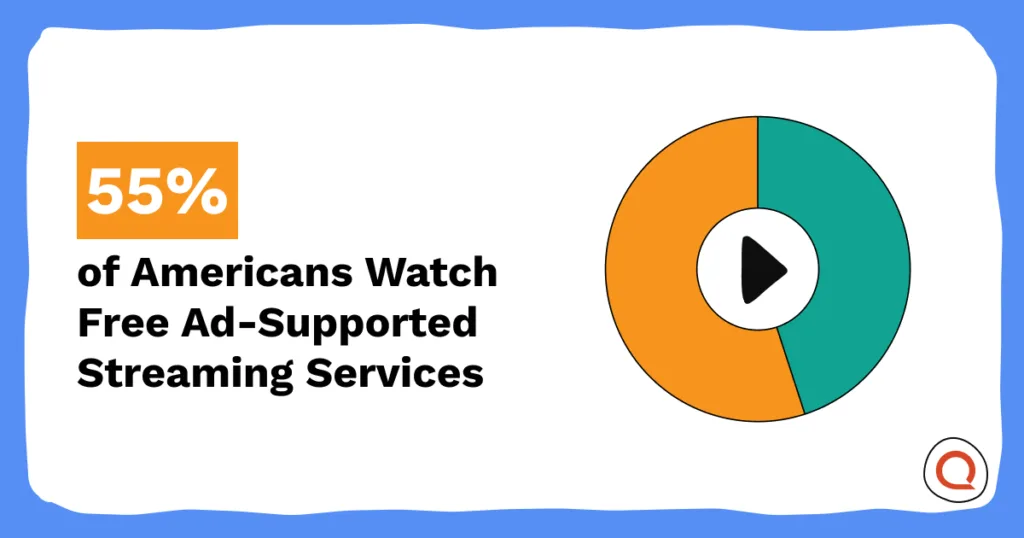
Donut chart showing 55% of Americans watch free ad-supported streaming services.
More Than Half of Americans Watch Free Streaming Because They Can’t Justify Another Bill
More than half of Americans use free streaming because they can’t justify another paid subscription...
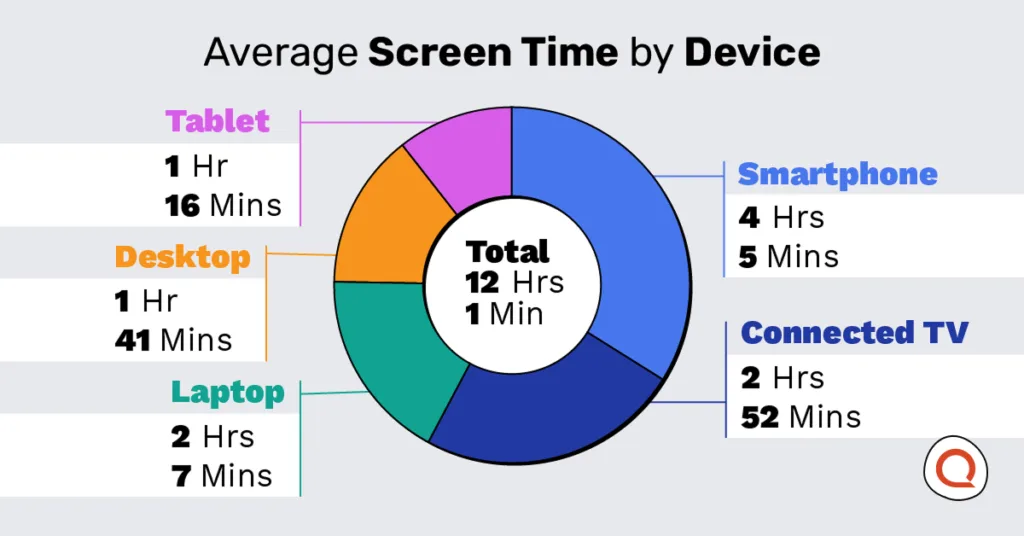
Donut chart showing average daily screen time of 12 hours by device: smartphone 4h 5m, connected TV 2h 52m, laptop 2h 7m, desktop 1h 41m, tablet 1h 16m.
Americans Spend 12 Hours a Day on Screens—Here’s Where All That Time Goes
Americans now average 12 hours and 1 minute of screen time across devices each day,...
Fox and Roku logos side by side, representing Fox's acquisition of Roku.
Fox’s Roku Acquisition Is Bad News for TV Lovers—Here’s Why
Fox's Roku acquisition could reshape streaming TV’s most popular device with more ads, less competition,...
Netflix featured image
Why Americans Are Canceling Their Netflix Subscriptions
Nearly half of American consumers have cut streaming subscriptions in the past year as household...