
How to Build Budget Home Security One Layer at a Time

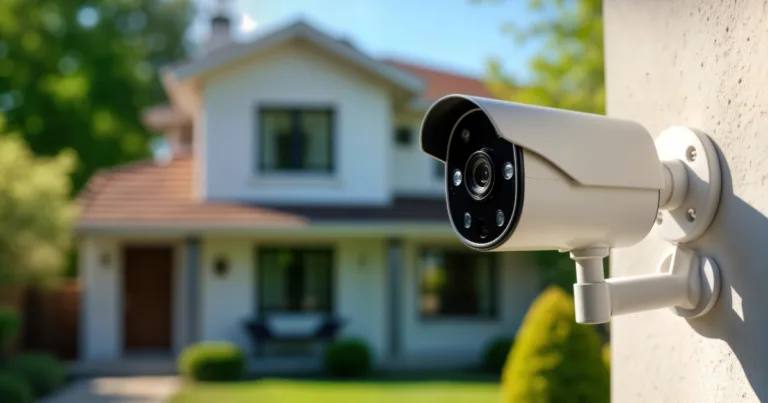
Outdoor home security camera mounted beside house monitoring front yard and entryway

Starting with a single outdoor camera can help you build a budget-friendly home security setup one layer at a time, adding protection where your home needs it most.

// You don't need a $600 system on day one — here's how to start small, spend smart, and add protection as you go.
Danika Miller
May 15, 2026
Icon Time To Read3 min read
Icon CheckEdited ByBrenna Elieson

You've just moved into a new home and want to be practical about safety, but a quick search serves up expensive, complicated systems — smart locks, floodlights, the works — that don't quite fit your situation. Moving into a new place comes with plenty of unexpected costs you may not have budgeted for — a home security system doesn’t have to be one of them.

A budget home security setup works best when built in layers, rather than purchased in one big package. Each layer targets a specific vulnerability. And you can stop at any layer based on your budget, risk tolerance, and living situation.

You can set up a new home security system without spending hundreds of dollars on each component by DIY-ing one layer at a time. We’ll walk you through home security in stages so you can buy with confidence.


Layer 1: the free stuff that actually matters

Some of the most effective home security measures are free. Don’t count out the simple essentials like locking deadbolts (not just the handle), keeping valuables out of sight from windows and doorways, and avoiding hiding spare keys in obvious spots.

You can also place wooden dowels, rods, or window pins to secure windows and sliding doors.

While these precautions may seem obvious, that's exactly why they get overlooked. Even if locking your deadbolt doesn’t completely stop a break-in, it will at least make it more difficult and buy you more time for action. Every other layer works best when built on this foundation.

Add detection: door and window sensors before cameras

Home security cameras may seem like the next priority, but you should consider going for entry sensors next. Door and window sensors are a no-fuss way to get timely alerts about your home's security — and specific ones at that. You'll know exactly what happened (a door or window opened) and where (the bedroom, the back door). Cameras, while still useful, can sometimes alert you to things as innocuous as a branch in the wind.

It’s a tried-and-true technology — magnetic contacts and a switch trigger when separated. If you opt for sensors, place them where they’ll be most effective, like on the front door, back door, and ground-floor windows. Don’t forget sliding glass doors, which can be one of the most commonly overlooked entry points.

Sensors are also budget-friendly, typically costing between $10 and $30, with no subscription required. It’s a great value for how effective they are.

Most standalone sensors will send alerts to your phone rather than to a monitoring center, so you're responsible for taking action when you get them. That can be a limitation if you're not reliably reachable by phone.

Layer in a camera once you know where to point it

The next step in building your home security fortress is cameras. Cameras give you visual information about your home's security and act as a visible deterrent — if you place them in the right spot.

Where you put a camera determines whether it prevents a break-in or just documents one. For example, pointing one at the front door will tell you when someone has already broken in. But if placed outside facing your entry points, you can tell when someone suspicious is approaching or scoping out your home.

If you’ve waited to add cameras for layer three, you’ve likely scoped out entry points and potential vulnerabilities in your home and can place them effectively.

Budget-tier cameras typically cost between $30 and $60 and should have some level of weatherproofing, local storage (or cheap cloud storage), and motion-triggered recording.

Keep in mind that many camera models depend on your Wi-Fi, so a power outage or internet issue can leave you without coverage. You can opt for more expensive battery-powered options to mitigate this.

When to stop layering—and when a full system makes more sense

Opt for a fully integrated home security system if you have many entry points, live in a crime-prone area, want professional monitoring, or will sleep better at night knowing you’re equipped with the best available technology.

For the budget-conscious shopper who is looking to keep it simple, the renter who lives in a secure building, or if you just want to keep an eye out for package theft, this guide's sensor-and-camera setup is likely sufficient.

As you’re planning what works best for your home, consider ditching this method when the layered approach starts costing more than a full home security system.

The three layers we've outlined could total $80–$150 with no monthly fees. An entry-level full security system may cost $100–$200 upfront (plus $10–$15 per month for monitoring and storage). There’s no right or wrong choice here; it’s whatever is best for your home and budget.

Before you buy: 3 questions to ask first

Before committing to new security tools, start simple with free habits like locking deadbolts and securing sliding doors. Then take stock of your home's vulnerabilities and your neighborhood before spending anything.

What are my actual entry points?

Am I protecting against opportunistic theft, targeted intrusion, or both?

Do I need real-time alerts, or is recorded footage enough?

It's all about intentionality. Taking time to assess your home before buying anything can save you money and get you better coverage than a pricier package that wasn't thought through. Start with the basics, add detection at your entry points, and fill gaps with cameras.

Danika Miller
Written by
Danika Miller is a writer and editor specializing in consumer advice and product reviews, with nearly a decade of experience in digital content strategy and editorial leadership. She has written across education, personal finance, technology, and lifestyle, with work appearing in outlets including BestColleges, The Simple Dollar, CreditCards.com, and Reviews.com. Her product review work has been cited by The Washington Post, MSN, and Mashable. She holds a BA in creative writing from Western Washington University. Originally from Washington, she is now based in Denver, where she tackles high-altitude sourdough baking.

Related Articles

Outdoor home security camera mounted beside house monitoring front yard and entryway
How to Build Budget Home Security One Layer at a Time
You don't have to buy a full system on day one. Here's how to build...
happy woman with curly hair sitting on couch using laptop
How To Lower Your Hughesnet Internet Bill
Wondering how to lower your Hughesnet internet bill? Check out this helpful guide for expert...
Best streaming service for spanish speakers
Best Streaming Services for Spanish Speakers
Find the best Spanish-language streaming service with our 8 top favorites. We compare pricing and...
Older couple sitting on couch eating popcorn watching live TV streaming service
Live TV Streaming Service Channel Comparison Review
If you need to find the best live TV streaming service with all of your...