
Nearly 9 in 10 Americans Use Their Phone While Watching TV

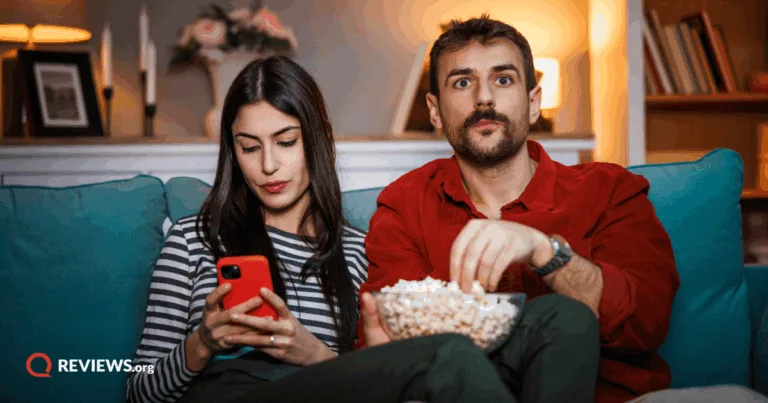
Americans use their phones while watching TV. Image credit: iStock.com/vladans

// Americans can't keep their phones down, even during TV
Trevor Wheelwright
Mar 11, 2026
Icon Time To Read2 min read
Icon CheckEdited ByBrenna Elieson

According to the Reviews.org report 2026 Cell Phone Usage and Statistics, 87% of Americans say they use their phone while watching TV, demonstrating how "second-screen" behavior has become the norm rather than the exception.

You can think of "second-screening" as the habit of automatically using a phone or another device to do things like text, browse social media, or read, while you're watching TV or using another primary screen.

So while TV used to be the main activity for relaxation, it’s become a background activity while we busy ourselves with other things.

It's not just TV. Phones show up in nearly every daily moment

Cell phone use permeates nearly every facet of our lives. In the same report, as many as 56.4% of people say they use the phone at dinner, and 72.2% at work. It’s an automatic response for many people: 84.6% start using their phone within the first 10 minutes of waking.

This pattern continues throughout the day, and it happens so often that we probably don’t even notice it.

Why it feels nonstop: Americans check phones 186 times a day

Americans check their phones 186 times per day, or about 12 times per hour. Whether it's micro-checks to see if notifications are important, boredom during ad breaks, or a quick scroll through social media to catch up with news and friends, our phones are always there to provide some form of entertainment or distraction.

And it seems we never truly take a break unless we’re asleep.

Most Americans take their phones to bed. Here's what that looks like

About half (50%) of people say they sleep with their phone at night. Phones are their own safety blanket, too: 41% report panic or anxiety when their phone battery dips below 20%.

With our constant companions at our side, it's easy to see how we've come to depend on our digital devices, and why it's so hard to feel like we ever truly "unplug" from the world (hence the desire for many to turn to "digital detox" practices).

What this trend says about entertainment now (and what it doesn’t)

Since 87% of people are prone to second-screening, it's less about what's streaming on TV and more about what's in our hands.

This normalized use of our phones during shows and movies isn't necessarily a critique of the quality of content or our attention spans. Some people may look up the actors in a show and browse their filmography, while others simply want to chat with friends during otherwise isolated times. However, this multitasking can lead to missing key plot moments in a movie or failing to truly relax.

Regardless, second-screening is a definitive shift from the distraction-free viewing we’ve known in the past to a more dynamic, screen-to-screen streaming habit.

Trevor Wheelwright
Written by
Trevor’s written about YMYL (your money, your life) topics for over six years across editorial publications and retail/eCommerce sites. His work’s been featured on Forbes, RealSimple, USA Today, MSN, BusinessInsider, Entrepreneur, PCMag, and CNN. When he’s not researching and writing, you can find him around Salt Lake City, Utah, snapping photos of mountains and architecture or seeking out some good tunes and friendly faces.

Related Articles

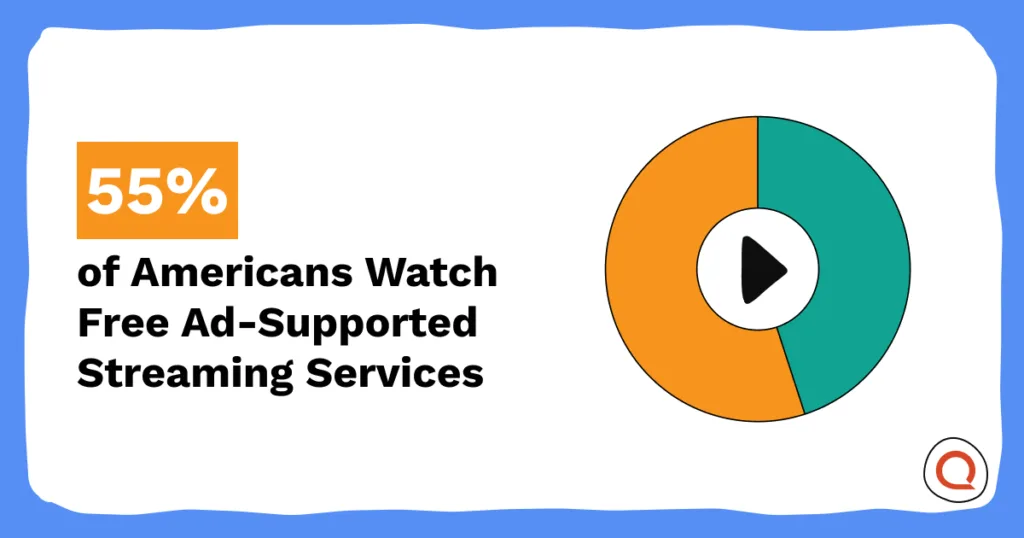
Donut chart showing 55% of Americans watch free ad-supported streaming services.
More Than Half of Americans Watch Free Streaming Because They Can’t Justify Another Bill
More than half of Americans use free streaming because they can’t justify another paid subscription...
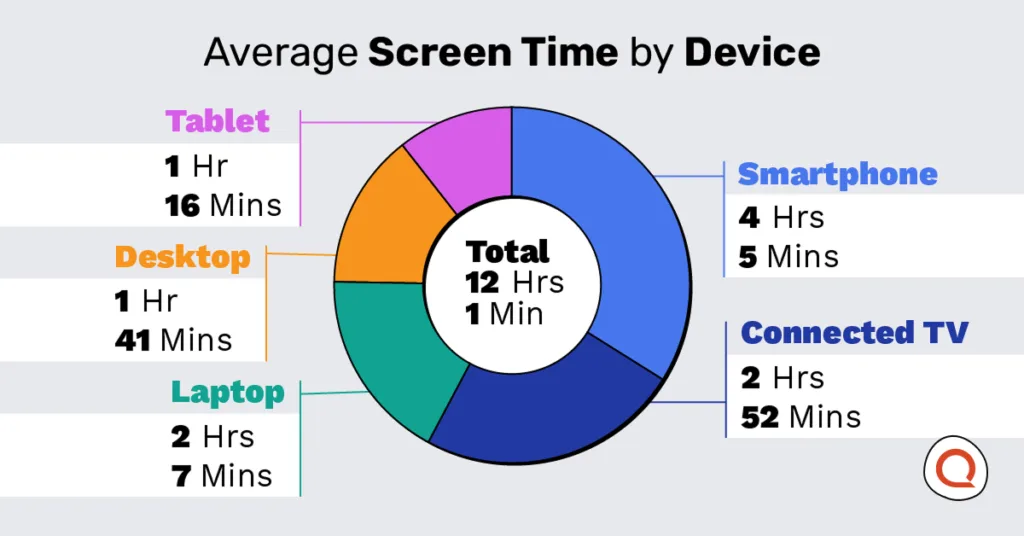
Donut chart showing average daily screen time of 12 hours by device: smartphone 4h 5m, connected TV 2h 52m, laptop 2h 7m, desktop 1h 41m, tablet 1h 16m.
Americans Spend 12 Hours a Day on Screens—Here’s Where All That Time Goes
Americans now average 12 hours and 1 minute of screen time across devices each day,...
Fox and Roku logos side by side, representing Fox's acquisition of Roku.
Fox’s Roku Acquisition Is Bad News for TV Lovers—Here’s Why
Fox's Roku acquisition could reshape streaming TV’s most popular device with more ads, less competition,...
Netflix featured image
Why Americans Are Canceling Their Netflix Subscriptions
Nearly half of American consumers have cut streaming subscriptions in the past year as household...