
Battery Issues Are a Top Reason Americans Replace Phones, Survey Finds

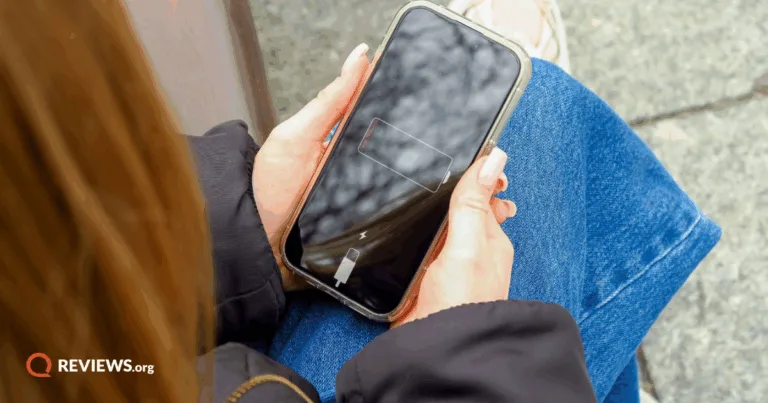
A person holds a phone with no battery life. Image credit: iStock.com/Iryna Boiko

// For most Americans, upgrades are about necessity, not the latest features
Trevor Wheelwright
Mar 10, 2026
Icon Time To Read1 min read

The real reason Americans replace phones

According to the Reviews.org Smartphone Lifespan Report, batteries are one of the top reasons why people upgrade phones, beaten only by performance issues.

That means phone upgrades are increasingly driven by day-to-day usability problems rather than a desire for the latest models and features: 18% of respondents cite battery issues as their main reason to upgrade, and 22% cite poor performance.

Smartphone battery problems can be frustrating, whether it's quick-draining batteries, slow or sporadic charging, or sudden drops in battery life.


Performance is the top trigger, and it pairs with battery frustration

The No. 1 driver of upgrades is performance. With 22% of people seeking faster performance with an upgrade, it's a sign that people don't want to deal with slow internet performance or unresponsive phones.

If you're using your phone daily, you get used to the feature set, but it's hard to get used to declining performance. Lag or battery drain is a clearer signal for people to upgrade rather than marketing for new features.

New features are a weaker upgrade motivator than basic reliability

Americans upgrade about every 29 months, usually out of necessity instead of want.

The survey of 1,000 U.S. adults (Sept. 8, 2025) emphasizes this: Only 13% of respondents cited new features, compared to the higher percentages with usability issues. People aren't primarily motivated by "shiny new features," debunking the yearly-upgrade myth.

Sometimes upgrades aren’t a choice

With a barely smaller percentage than those who upgrade for new features, 13% cite a broken or lost phone as the main reason. In other words, they don't have a working phone and need one, rather than wanting to keep up with the latest trends.

Why keeping your phone longer changes what matters

The average cost of a new phone is $634.35, which people pay about every two and a half years. It's no small price, and that means a phone’s battery and performance are more consequential than its shiny new features.

Smartphones are part of our daily lives, and for the most part, we think more about what they do for us than the device itself. So when normal, everyday performance starts to slip, we just want a phone that works.

Trevor Wheelwright
Written by
Trevor’s written about YMYL (your money, your life) topics for over six years across editorial publications and retail/eCommerce sites. His work’s been featured on Forbes, RealSimple, USA Today, MSN, BusinessInsider, Entrepreneur, PCMag, and CNN. When he’s not researching and writing, you can find him around Salt Lake City, Utah, snapping photos of mountains and architecture or seeking out some good tunes and friendly faces.

Related Articles

Couple watching soccer at home on the couch, smiling and holding beers and a soccer ball.
How to See the 2026 FIFA World Cup On the Cheap
Tickets to FIFA World Cup 2026 are cost-prohibitive for many fans. Watching from home via...
Person holding a smartphone while pressing a button on a smart home control panel mounted on a wall.
45% of Americans Have Never Touched Their Smart Device Privacy Settings — Fix It in 3 Steps
Nearly half of Americans have never changed smart device privacy settings. Here are simple places...
Woman sitting on couch with a concerned expression pointing a remote at a smart TV
Your Smart TV Tracks More Than You Think—and Most Americans Don’t Know How to Stop It
Smart TVs are in most U.S. homes, but many Americans don't feel in control of...
State of Consumer Data 2026: Americans Want More Control Over What Their Devices Collect
The Broadband Equity, Access, and Deployment (BEAD) program allocates $42.5 billion among U.S. states and...