
Why Americans Are Canceling Their Netflix Subscriptions

Netflix featured image

A person with a remote control. Image credit: iStock.com

// After a year of price hikes, millions are cutting streaming subscriptions first.
Tim Tincher
Jul 07, 2026
Icon Time To Read2 min read
Icon CheckEdited ByBrenna Elieson

Nearly half of American consumers have taken a harder look at their streaming services in the past year as those services keep raising their prices.

According to Reviews.org’s Streaming Fatigue Report 2026, 52% of consumers canceled or downgraded a streaming service because of a price increase over the last 12 months.

As streaming prices climb, "nice-to-haves" like Netflix or other subscriptions are often one of the first things people cut to save money. More households are auditing their streaming lineup to prioritize the subscriptions they actually use.

Streaming is often the first thing to go

Subscription fatigue and rising prices are driving cancellations and downgrades. Our survey found more than half of Americans have either walked away from a streaming service or moved to a more affordable tier in the last year.

While the "streaming wars" were once defined by which platform had the best content, the current landscape is increasingly defined by churn. That cycle often runs both ways: 55% of respondents have re-subscribed to a service they previously canceled, and 48% have signed up for a single show or event, then canceled right after. For many, the decision to cancel a Netflix subscription is a temporary response to rising prices, not a permanent one.

Rising prices are quietly killing streaming subscriptions

The main culprit behind these cancellations is the bill itself. Beyond the 52% who have already cut back over price, 43% of Americans said they are likely to cancel at least one service in the next three months.

When a streaming service raises its price, subscribers weigh whether the higher cost is still worth it. Because a subscription is a flexible expense that is easy to trim, a price hike often pushes people to cancel or downgrade right away.

Why millions are downgrading instead of ditching streaming

Total cancellation is not the only strategy consumers are using to save money. Our survey found 38% switched from an ad-free tier to a cheaper ad-supported tier in the past year, and many are leaning on free, ad-supported services instead of adding another paid subscription.

While consumers still value access to content, they’ve hit a ceiling on what they’ll pay. Rather than losing access entirely, households are using apps for canceling unused streaming subscriptions or switching to lower-cost plans to keep their streaming habits intact.

Consumers are proving they are willing to sit through commercials if it means keeping their monthly entertainment costs manageable. To weigh which services are worth keeping, our guide on whether your streaming subscriptions are worth it breaks down the math.

Methodology

reviews.org logo png

Methodology

Reviews.org surveyed 1,000 Americans about their streaming habits for the Streaming Fatigue Report 2026. Percentages were rounded to the nearest whole number.

Tim Tincher
Written by
Tim Tincher is a Media Relations Specialist at Reviews.org, where he connects journalists with data-driven insights on internet, mobile, and consumer tech. He has secured coverage in outlets like Ars Technica, CNBC, The New York Times, and USA Today, with his work syndicated across NBC affiliates and local broadcast sites. His research on broadband funding and consumer trust has also been featured in trade outlets such as Telecompetitor. Reviews.org provides journalists with exclusive survey data, state-by-state broadband access and funding analysis, and expert insights for timely, data-driven stories.

Related Articles

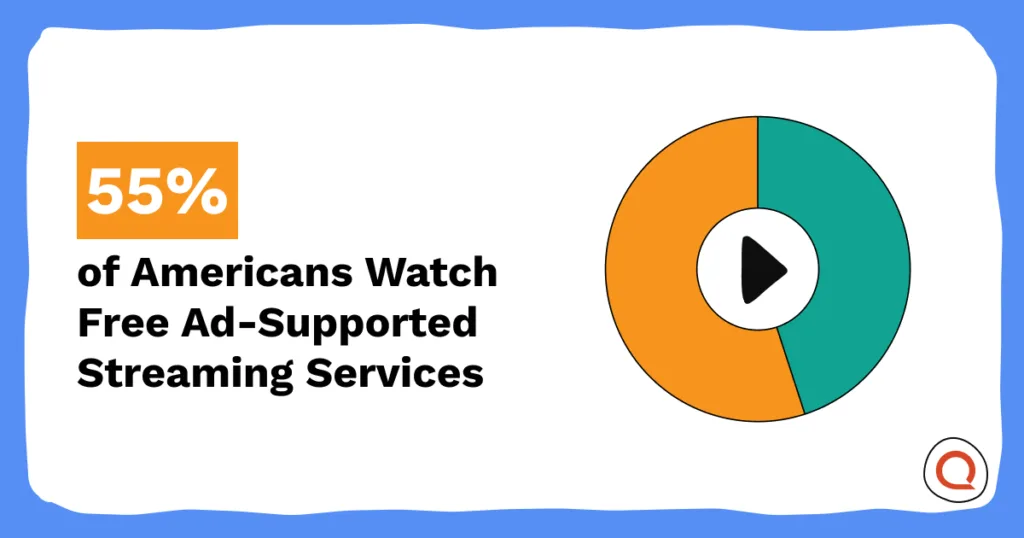
Donut chart showing 55% of Americans watch free ad-supported streaming services.
More Than Half of Americans Watch Free Streaming Because They Can’t Justify Another Bill
More than half of Americans use free streaming because they can’t justify another paid subscription...
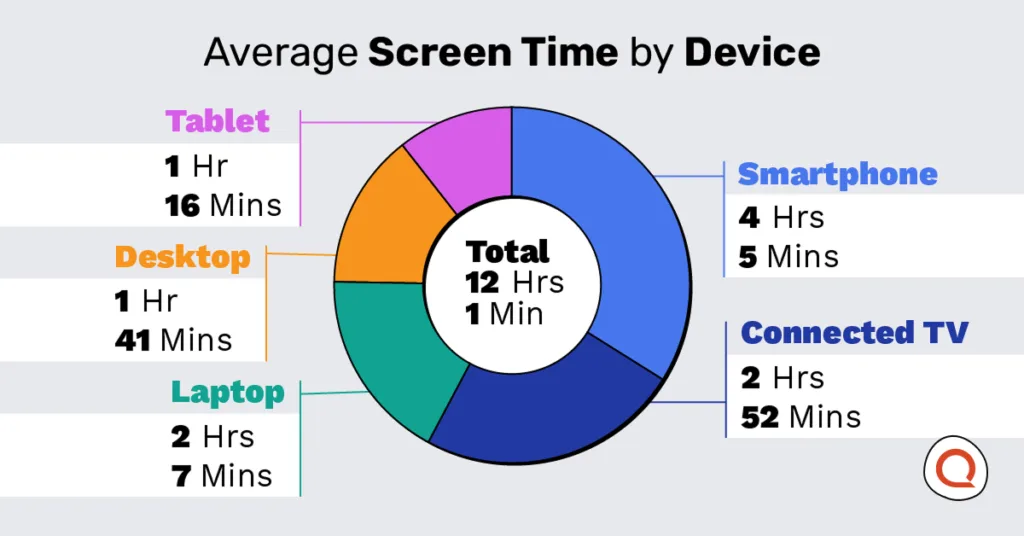
Donut chart showing average daily screen time of 12 hours by device: smartphone 4h 5m, connected TV 2h 52m, laptop 2h 7m, desktop 1h 41m, tablet 1h 16m.
Americans Spend 12 Hours a Day on Screens—Here’s Where All That Time Goes
Americans now average 12 hours and 1 minute of screen time across devices each day,...
Fox and Roku logos side by side, representing Fox's acquisition of Roku.
Fox’s Roku Acquisition Is Bad News for TV Lovers—Here’s Why
Fox's Roku acquisition could reshape streaming TV’s most popular device with more ads, less competition,...
Netflix featured image
Why Americans Are Canceling Their Netflix Subscriptions
Nearly half of American consumers have cut streaming subscriptions in the past year as household...