
True independence might mean finding your own phone plan
I Cut Off My Parents. Do I Have to Leave Their Phone Plan Too?

 3 min read
 Edited ByKelly Huh
You made the decision to go no-contact with your parents, but there’s still one connection you haven’t quite severed: your family cell phone plan.
Cutting your parents off doesn’t mean you’re financially independent or ready to untangle every shared expense. Sometimes, staying on your parents’ phone plan is a harmless way to save money. In other cases, it might be leaving the door open for unwanted contact and control.
There is no universal rule. Let’s walk through each of your options together, alongside the expert advice from a family therapist.
Key Takeaways
- No contact is a decision to cut off or restrict communication with someone, often a family member or former partner, to protect your well-being. This typically means restricting calls, texts, emails, social media interactions, or in-person visits.
- You can port out your phone number when you leave a family cell phone plan
- Finding a new phone plan doesn’t have to be emotional and stressful
On this page:

Morgan writes about various consumer topics like home internet, streaming services, and home technology for Reviews.org, HighSpeedInternet.com, and Move.org. For this article, Morgan interviewed real therapists to understand the ins and outs of boundaries when it comes to leaving a family cell phone plan.

Reviews.org
Is it wrong to stay on your parents’ phone plan after going no contact?
You don’t have to leave your family phone plan just because you went no contact. In reality, financial arrangements and personal relationships don’t always change at the same pace. Sometimes, it’s a purely practical decision to stay on your parents’ phone plan, since you get lower monthly costs and the convenience of keeping an established account.
I chatted with Ashley Herbert, an adult who said she is on her parents’ phone plan. She explained her situation, “The economy is hard and adding on another bill on top of everything else just isn’t manageable. Getting my own plan would double my bill.”
Amy Mosser, a master practitioner in clinical counseling, also weighed in on the topic. Mosser explained that staying on a parent’s plan doesn’t automatically mean you want to continue the relationship. “I don't think there's a moral rule that says the money has to stop the day the contact does. Some parents keep paying because they want to, and some adult kids stay on because a plan of their own isn't affordable yet.”
However, staying on your parents’ phone plan can make boundaries more difficult to maintain. “A shared plan is a door left open,” Mosser explained. Ultimately, the best situation would be to get on a new plan as soon as possible, treating that switch as part of the boundary. “Staying on indefinitely tends to keep the relationship running on money,” she added.
When might it be time to get your own phone plan?
Besides financial implications, there are some risks to staying on a parent’s phone plan, especially if the relationship is strained.
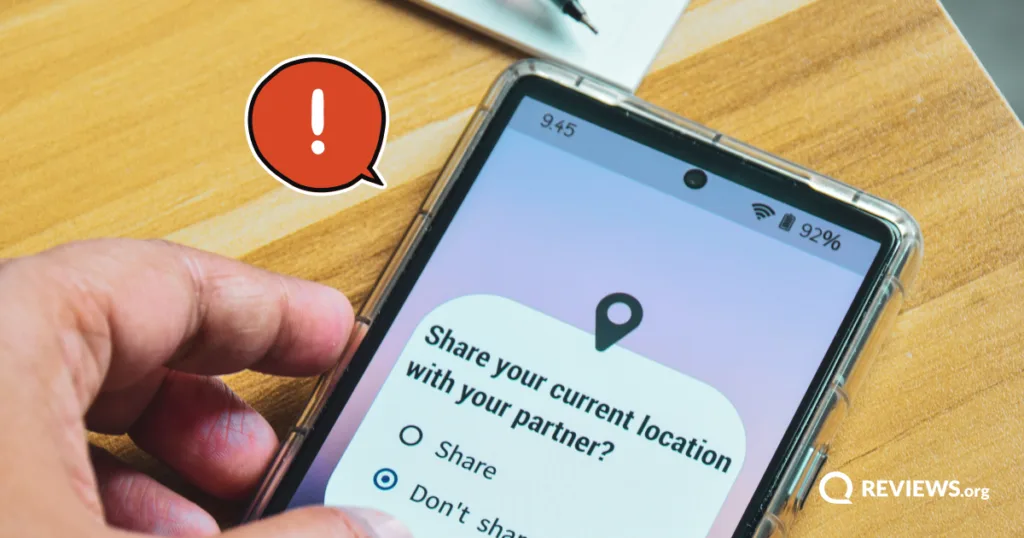
The primary account holder has more access and control over the account than plan members, which means they can see call logs, cancel your line, and control certain settings like blocking callers. This doesn’t mean that you have to go back on your no-contact boundaries, but it does mean there can be a lingering anxiety. Your decision should be based on your needs, safety, and emotional wellbeing rather than any guilt or expectations.
Safe Connections Act
In an unsafe or abusive situation, you can request to separate your phone line under the Safe Connections Act. For more information, please head to the FCC Safe Connections website.
Qualifying applicants can also receive a discount of $9.25 on phone, internet, or bundled services.
Protect your boundaries if you decide to stay
If you decide to stay on your parents’ phone plan, there are a few things you can do to provide secure more comfort and safety:
- Understand your privacy and account access: The account holders have much more access and control over the account than individual plan members. Figure out what exactly you control and what your parents control.
- Have a backup plan: Just because you want to stay doesn’t mean that they won’t kick you off. Be prepared to shift quickly if they decide to go separate ways.
- Figure out billing: Can you limit communication while still paying your bill each month? Try setting up automatic payments or paying for the year in advance.
How to leave your parents’ plan without causing more stress
Getting off of your parents’ plan can feel like one more emotionally exhausting task on top of an already sensitive topic. If you’re not eligible for a line separation under the Safe Connections Act, follow these steps:
1
Check what you owe
If you owe money on a current device, you will need to pay it off before switching carriers. You may also owe early termination device buyout costs and other fees.
If you continue with the same carrier but get a new plan, you may be able to transfer your device to your new account. Contact customer service and see what you’re eligible for. Note, it’s possible that the account holder will be notified if you contact customer service about initiating the removal.
2
Find a new plan
There is a world of options out there, and that can easily feel overwhelming. For those on a budget, we recommend getting a cheap, prepaid phone plan. If it’s a postpaid plan with T-Mobile, Verizon, or AT&T, you’ll also need to be a legal adult, since many postpaid plans require credit checks.
3
Decide whether you want to keep your phone number
If you want to keep your phone number, you will need to ask your primary account holder for the following details, perhaps by text or email:
- The name connected to the family plan
- The account number
- The number transfer PIN or account code
If you’re staying with the same carrier, the account holder may need to approve the transfer on a call with customer service or at a store, sometimes with you present.
If you’d rather start fresh with a new number, you won’t need any account details from your parents.
4
Communicate your decision
In most cases, you will need to contact the primary account holder of the plan in order to leave it. According to T-Mobile’s guide, the account holder may receive alerts when a line transfer begins, so it’s best to notify them.
It doesn’t need to be a confrontation or lengthy discussion. Get everything arranged on your own for a seamless switch before letting your parents know, and then keep the conversation brief and on-topic.
Have a list of exactly what you need so you can keep the interaction focused, and consider bringing a friend for support.
5
Port out your number
Sign up with your new carrier and give them the account information and transfer PIN you collected. Don’t cancel your old line until you’ve set up your new plan.
Before You Switch
Pro tip: If you get a new number, adjust all your personal accounts with your bank, employer, social media, investments, doctors, and other online accounts to send verification codes by email or your new number before you cancel your old line. Otherwise, you could get locked out.

Frequently asked questions (FAQ)
Can my parents see my texts if I am on their phone plan?
No, your parents cannot see your texts if you are on their phone plan. Often, the account holder will be able to see call logs and SMS logs, but these show the date, time, and phone numbers, not the actual words sent.
What information can the primary account holder see on the phone plan?
Primary account holders can see call and SMS metadata (phone numbers contacted, dates, times, and duration or frequency), data usage, billing and account information, as well as line permissions and controls.
Can my parents remove me from the phone plan without my permission?
Yes, your parents can remove you from the phone plan if they are the primary account holder.
Can I keep my phone number if I leave my parents’ plan?
Yes, you can leave your parents’ plan and keep your phone number as long as you follow the proper transfer process. However, since your parents own the phone number, you will need their approval in order to take it with you.

Related Articles

I Cut Off My Parents. Do I Have to Leave Their Phone Plan Too?
Untangling your phone bill can be complicated, but leaving it opens a door for more...

Why an Unpaid Internet Bill Can Get You Turned Down by a New Provider
Unpaid WiFi bills can make it hard to get a new ISP. If you have...

Reviews.org State of Consumer Media Spending 2026
American households now spend $283.39 a month on internet, mobile, TV, and streaming. The average...

Your Kid Is Confiding in an AI Chatbot. Do You Know What It’s Saying Back?
AI chatbots aren’t going anywhere. How can kids engage with them while protecting their mental...


