T-Mobile’s Backup Internet Just Got a Time Limit: Where Do You Stand?

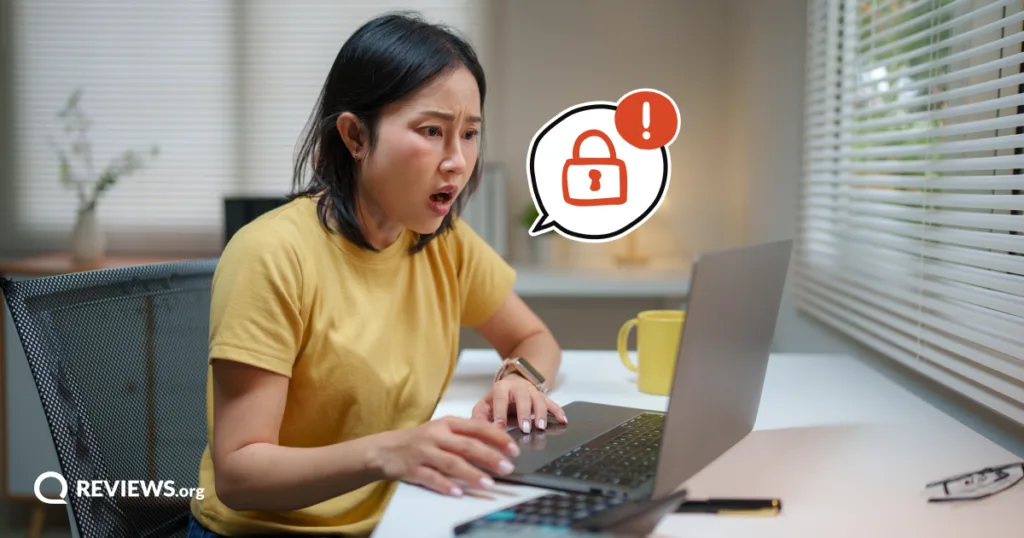
A confused man reviewing something on his laptop, questioning whether T-Mobile's new backup internet limits still work in his favor.

Whether the new hours-based cap saves you money depends entirely on how you'd actually use it during an outage.

// T-Mobile’s new backup internet usage model may not work for all.
John Schmoll
Sep 07, 2026
Icon Time To Read4 min read
Icon CheckEdited ByKelly Huh

Nothing says frustration like losing internet access when finishing a big project. I work from home and understand the feeling. T-Mobile Home Internet Backup customers may notice a recent shift that changes the protection they were once offered.

Previously, T-Mobile gave home internet backup customers 130GB of full-speed data monthly. As of April 2026, T-Mobile changed it to 100 hours of data, with a $10 price reduction. If you exceed that limit, speeds will reduce to 600kbps for the rest of the billing cycle. Instead of a data limit, customers now have a time limit. How this impacts customers depends on the type of user you are. There’s a clear delineation of who wins with the change, and it’s not who you might think.

T-Mobile switched from a data cap to a clock

T-Mobile first introduced Home Backup Internet in June 2024. The initial offering allowed 130GB of 5G data per month. The company claimed that was enough to aid a home for up to seven days if their main internet service went down. It didn’t matter when the data was used, and the marketing promoted its reliability.

The new change shifts from a data budget to a time budget of 100 hours a month.

The clock starts ticking when devices are connected to the backup Wi-Fi, not from the instant an outage occurs. If you live in an area with severe weather or heavy rain that frequently causes your internet to go out, this change may bring peace of mind; just ensure your devices aren’t always connected to the internet or you could fly through your allotted backup internet hours.

After you exceed the time limit, speed drops to 600kbps for the rest of your current billing cycle. T-Mobile claims to notify users when they hit 80% and 100% usage. And, customers receive three backup passes to use at any point during the year at no extra cost. The backups provide extra time online beyond the base 100 hours, three times annually. This helps if you encounter extended or recurring outages.

With the change, T-Mobile is also reducing pricing for the Home Internet Backup. It’s now $20 per month with AutoPay, down from $30, and no voice line requirement. At a time when 41% of Americans feel ripped off by their internet service provider’s hidden fees, it’s nice to see T-Mobile being clear about its pricing and giving customers a reduction. That makes the plan change easier to swallow.



Interestingly, heavy data users win out

Whether or not this change works for you depends on how you use the internet. Running the numbers helps here. Dividing 130GB by 100 hours is an approximate breakeven of 1.3GB per hour.

If your usage is above that 1.3GB per hour, you stand to win. With the changes, T-Mobile doesn’t care how much data you use while you're online. Gamers, heavy streamers, or people with sizable downloads may feel the new plan is generous. For instance, Netflix says 4K videos use up to 7GB of data per hour. That can quickly consume data under the old plan. It’s not the case under the new plan.

If you use less than 1.3GB per hour, you may run into problems because the plan now punishes you for how long you use the service. People who regularly surf the internet, have smart home devices, and email may use minimal data, but eat up their clock sooner. 

Work-from-home Americans may fall somewhere in the middle. Video calls on Zoom, for example, vary in how much data they use. It’s important to know how much data Zoom uses in your particular situation to identify where you stand. The last thing you want is to risk experiencing sluggish video calls, which can be problematic.

View possible outages in hours, not gigabytes

Knowing your usage patterns matters in a purchase decision. Here’s how three typical, but different users will be affected by the changes:

  • Heavy users with short outages will likely benefit the most. If your cable goes out for six hours on a weekend day and you have multiple people in your home gaming or streaming, you’re only using six of your 100 hours. Under the old plan, you may have quickly consumed much of your data budget.
  • At-home workers are a toss-up, depending on your video call needs. Short outages for several hours may have a long runway before consuming all of your time budget. Nearly one-quarter (22%) of remote workers say reliability is a top reason for them wanting backup internet so this is a relevant concern.
  • People with frequent usage face the biggest challenges with the time limits. People experiencing a delayed outage and only surfing the web, streaming music, and checking emails will use time quickly. Under the old plan, they may have had more flexibility.

A safety net is attractive, but not everyone benefits from it or believes in it. Reviews.org recently found that 40% of Americans think it’s not needed and only 31% see the value. For those people, the plan may not be worth it even at the lower price. For people on the fence, you can see past backup usage in T-Life. Accessing that can help you make an informed decision.

Backup internet isn’t a value to everyone

T-Mobile’s reduction of Home Backup Internet from $30 to $20 adds real value for the right user. Despite the lower price, that doesn’t mean everyone needs it. Moreover, the new time limit forces customers to know how often their main internet goes down and what that will cost them.

For households with remote workers, that $20 may be worth it. The same may be true for homes with heavy data users, but not for those where time is a concern. In an age where over half (54%) of consumers want automatic outage credits when their primary internet goes down, safeguarding against the frustration is understandable.

Telecommunications companies want customers to view them as a single solution for everyone. Selling you a backup internet plan makes that easier, and T-Mobile's change is evidence of it. The lower price is nice, but do the math to determine whether it’s smart for you.


Found this useful? Follow Reviews.org on Instagram, Facebook, LinkedIn, or catch us on YouTube

You can also add us as a preferred Google search source for the latest in tech and home services.

John Schmoll
Written by
John Schmoll is an experienced writer and reviewer with 15+ years of experience covering streaming TV services and cell phone plans, helping readers compare features, pricing, and fine print to find the best fit. A former stockbroker with an MBA in Finance, he also provides practical guidance around saving, debt payoff, investing basics, and smarter everyday money decisions. His work has appeared in GoBankingRates, Investopedia, Prudential, and U.S. News, and he writes for banks and business clients. He lives in Omaha with his wife and three children.

Related Articles

A confused man reviewing something on his laptop, questioning whether T-Mobile's new backup internet limits still work in his favor.
T-Mobile’s Backup Internet Just Got a Time Limit: Where Do You Stand?
Previously, T-Mobile gave home internet backup customers 130GB of full-speed data monthly. As of April...
A couple comparing phone plans and details together, weighing whether switching cell phone carriers is worth the hassle.
5 Things You Need to Know Before Switching Cell Phone Carriers
Americans switching carriers have five main concerns, and Reviews.org is here to address them.
A woman looking concerned while checking her phone, wondering why her "unlimited" data plan has slowed down.
What “Unlimited” Means on Each Major Carrier: The Devil is in the Details
The three major carriers — Verizon, AT&T, and T-Mobile — all prioritize data differently. Here’s...
An Honest Quantum Fiber Internet Review, According to Customers
You’ll love Quantum Fiber if you want to save money, but beware of its customer...