
Why 87% of Americans Are Paying for Mobile Data They Never Use

Man checks his phone bill and data usage. Image credit: iStock.com/

// Unlimited data is overkill for most Americans, survey finds
Trevor Wheelwright
Mar 09, 2026
Icon Time To Read2 min read

The 15GB reality vs. the unlimited myth

Though "unlimited" data might be the gold standard of mobile marketing, according to the State of Consumer Media Spending 2025 report, Americans use an average of just 15GB of mobile data per month, which is far less than the 40GB+ thresholds typically offered in premium and unlimited plans.

In addition, 11% of customers use no data (Wi-Fi only), and 87% are using less than 40GB.

Average household spending is nearing $280 a month, and lifetime spending on mobile contracts works out to $41,732. Should customers pay for the convenience of unlimited data when it’s possible to reduce bills without changing daily habits?

We'll go over why the majority of consumers are overpaying for this digital safety net, and why switching to an MVNO service provider can save you hundreds, if not thousands.

Why the “Big Three” model keeps costs high

Sure, going with a Big Three carrier (AT&T, T-Mobile, or Verizon) gives you perks and perhaps the benefits of bundling, but is that just a matter of marketing? With an average monthly cost of $57.96, paying for one of the big providers adds up quickly.

Customers may find plans that fit their actual data needs with an MVNO, saving them a few months of bills over the course of a year without enforcing a "convenience tax" in the form of unused features, unlimited data, or other benefits.

Plus, based on our testing process for various phones, mobile plans, and MVNO services, we feel like the service trade-off is minimal, if even noticeable.

How switching carriers could save you $200 a year

Finding a right-size plan with a smaller carrier (that still uses a major network) based on how much data you actually need leads to smaller costs: At an average of $41 per month, switching to an MVNO can save upwards of $17 a month or about $200 a year.

And if you figure the lifetime cost of your services, you'd be surprised at how much you can save.

The lifetime price tag most people never think about

Over the average lifetime, mobile spending accounts for $41,732 of the average $200K lifetime connectivity costs — That's an average of 5.4% of median income spent on media. So it's less about saving yourself enough for a nice dinner every month and more about being able to save serious cash by investing in a better contract for yourself.

Reassessing the value of “unlimited” in 2025

In the same way you wouldn't buy five gallons of milk every week when you only need two, it doesn't make much sense for the average person to pay for over 40GB ("unlimited") plans when in reality they're only using an average of 15GB.

Sure, any overage charges may be a surprise, but in the long run, you're unlikely to hit your data maximum frequently, if ever. Our report found that only 13% of users ever exceed these limits.

Over the course of a lifetime, especially when you consider the rising costs of things like streaming services, TV, and internet, it's a much better deal to find a plan that actually fits your data needs and gives your budget some relief.

Trevor Wheelwright
Written by
Trevor’s written about YMYL (your money, your life) topics for over six years across editorial publications and retail/eCommerce sites. His work’s been featured on Forbes, RealSimple, USA Today, MSN, BusinessInsider, Entrepreneur, PCMag, and CNN. When he’s not researching and writing, you can find him around Salt Lake City, Utah, snapping photos of mountains and architecture or seeking out some good tunes and friendly faces.

Related Articles

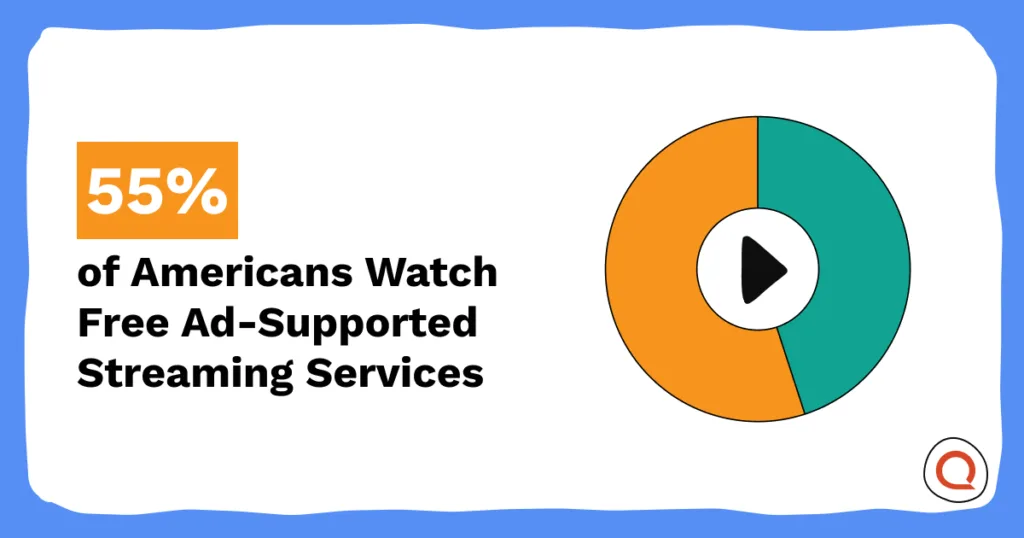
Donut chart showing 55% of Americans watch free ad-supported streaming services.
More Than Half of Americans Watch Free Streaming Because They Can’t Justify Another Bill
More than half of Americans use free streaming because they can’t justify another paid subscription...
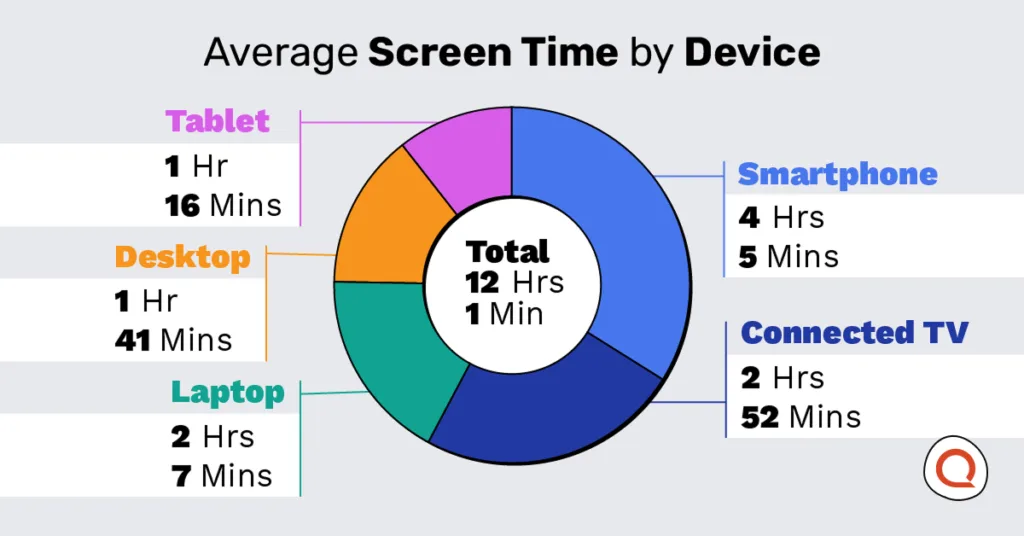
Donut chart showing average daily screen time of 12 hours by device: smartphone 4h 5m, connected TV 2h 52m, laptop 2h 7m, desktop 1h 41m, tablet 1h 16m.
Americans Spend 12 Hours a Day on Screens—Here’s Where All That Time Goes
Americans now average 12 hours and 1 minute of screen time across devices each day,...
Fox and Roku logos side by side, representing Fox's acquisition of Roku.
Fox’s Roku Acquisition Is Bad News for TV Lovers—Here’s Why
Fox's Roku acquisition could reshape streaming TV’s most popular device with more ads, less competition,...
Netflix featured image
Why Americans Are Canceling Their Netflix Subscriptions
Nearly half of American consumers have cut streaming subscriptions in the past year as household...