
In it's error era.
Roomba Max 705 combo review: Comedy of errors




 6 min read


The essentials

Mapping
Fast and accurate

Object detection & avoidance
Avoids all obstacles including cables and cords.

Vacuuming performance
75-85% particle clearance

Mopping performance
75-85%+ clearance rate
Error messages are usually a sporadic occurrence, but for the Roomba Max 705 Combo, they’re a daily feature. Throughout my extended time with the robot vacuum I received at least one ‘unknown error’ push notification every time I ran a cleaning cycle. I use quotation marks because these errors may have been labelled as “unknown” but they’re not. They are basic functions of the vacuum that every other manufacturer I’ve reviewed has managed to convey without the need to visit a support page. Some of these errors were easy fixes, some were notifications disguised as errors, and others frustrated me so much that I had to set this review to the side for a couple of months.
Coupled with a support chatbot that I'm fairly sure was a hallucinating AI model, and the janky user experience in the app as a whole, iRobot’s user-facing side of things marred the otherwise solid cleaning capabilities of the Roomba Max 705. If choosing a robovac was just about the hardware, then the 705 Combo could be a contender, but it isn’t. Robot vacuums need to balance the connected experience with the physical, or risk a comedy of errors turning into a tragedy.
Roomba Max 705 Combo: Performance
The Roomba Max 705 Combo has all the elements of a great robovac. The telescopic roller mop is fitted out with a splash guard to keep your carpets dry, its suction is adequate for most purposes, and the Combo dock washes, dries, and auto empties both the vacuum and the mop components. All the players are on the stage, but they’re not hitting their marks.
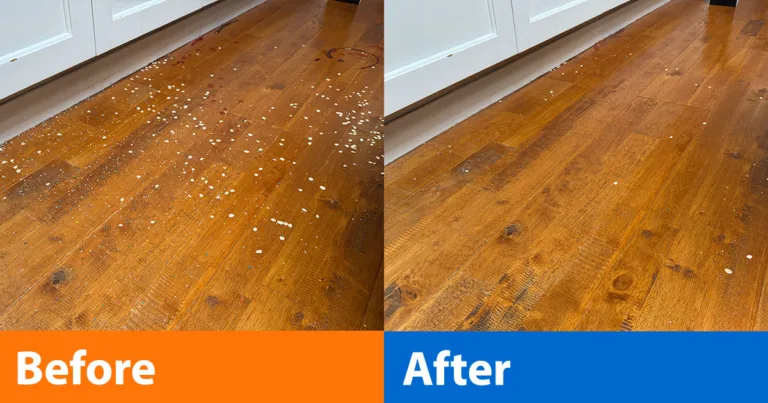
Overall the clearance rate for both vacuuming and mopping sits at around 80%. On open flooring, there is minimal fallout, but the vacuum tends to whip debris away from itself rather than into the line of suction. This pushes much of the remaining 20% of dander up against the wall where the Roomba fares worse, despite its edge sweeping brushes.
The mopping element was the worst offender here. The PowerSpin heated mop was excellent on the middle of the floor, easily clearing tomato sauce, and a sticky chocolate sauce with no leftover residue. Along edges, however, the Perfect Edge mopping system didn’t live up to the name. Similarly to Ecovac’s first roller mop iteration, Roomba’s version tends to bounce in and out from the wall rather than holding itself extended for long enough to properly clean along it. While technically I did see the mop touch the wall, in practice it mostly missed our wet testing materials.
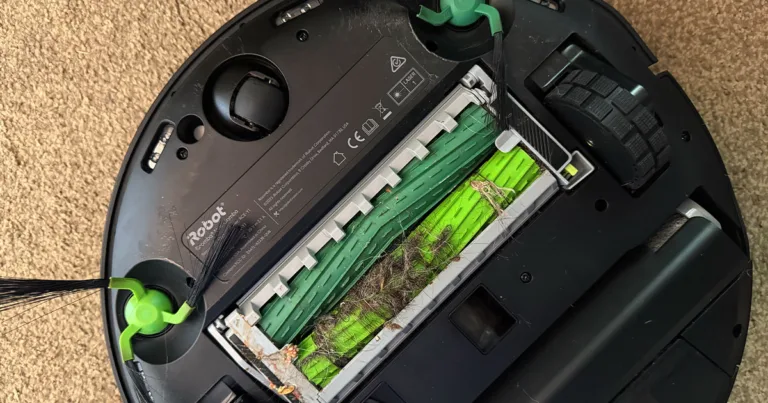
In day-to-day testing the robovac’s 13,000Pa suction power wasn’t quite enough for my usual household messes. It picks up some of my dog’s fur from hard flooring, but what does get tangled routinely ends up in clumps when the robovac hits carpet again. Ironically, anti-tangle rollers do tend to have this problem. Vacuums from Roborock and Ecovacs have similarly left hairballs around my house because the anti-tangle design can catch and hold on to fur without actually sucking it up. When it hits the carpet, the hair can grip on and fall off in clumps. Later iterations of these rollers have pretty much fixed the problem, but iRobot isn’t quite there yet. I do find my household to be a stress test for these systems - my dog’s groomer said she had never seen that much fur come off a dog - but it is something to be aware of nonetheless.
An 80% clearance rate is much lower than we usually see for a robot vacuum at this price point. Even though middling edge cleaning is normal, the standard we’ve seen in our testing generally sits between 90-95%. This doesn’t mean that the Roomba Max 705 Combo won’t clean your home, but it does mean it will struggle on some particles and spaces more than other comparable units.
Roomba Max 705 Combo: Intelligence
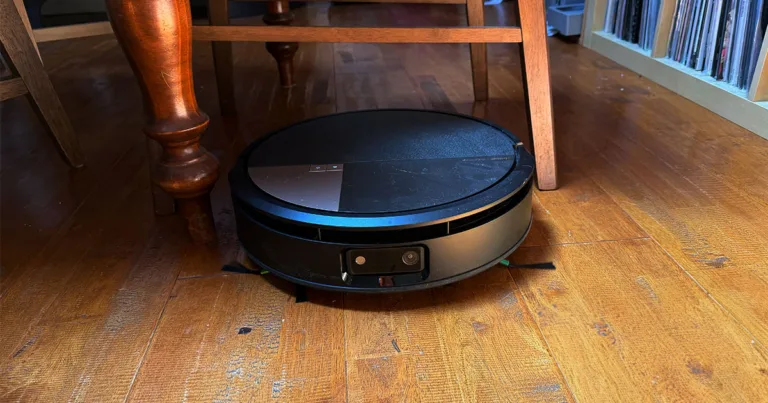
I have no complaints about the mapping and intelligence of the Roomba Max 705 Combo. The robovac easily avoided all obstacles, navigated its way out of complex mazes like dining table chair legs, and provided decent mapping on the first go. However, never was there a story of more woe, than this of myself and the Roomba Home app.
iRobot updated the Roomba Home app last year, and it could do with some more tweaking. The current iteration is slow, taking upwards of 10 seconds to switch between some screens and tasks. This would be excusable if there were only a handful of screens to flip between, but the workflows meander. For example, to customise a name for a room you need to navigate to the map, into the edit interface, then jump through two different menus just to write your own custom name. This is two extra steps - with the extra load time - more than any other robot vacuum app I have used.
Similarly, resizing the line to split a room is needlessly tedious. From what I can tell the touch point is too small, and easily missed. You’re more likely to move the whole map or grab the rotation toggle than actually hit the right resizing spot.
There are quirks like this all throughout the app, but the most frustrating one is the error messages. Every vacuum resulted in multiple error messages, which without context is seriously alarming. Each of these error messages came up as “Unknown error #x” and there is no streamlined way to find out what they mean. You just have to Google it. After a search, most of these disconcerting errors end up being trivial - something is blocking the path, or the zero-tangle rollers are tangled. Call me crazy, but those don’t seem like ‘errors’ to me. Nor do they to any other robot vacuum manufacturer. To the rest, these are just updates.
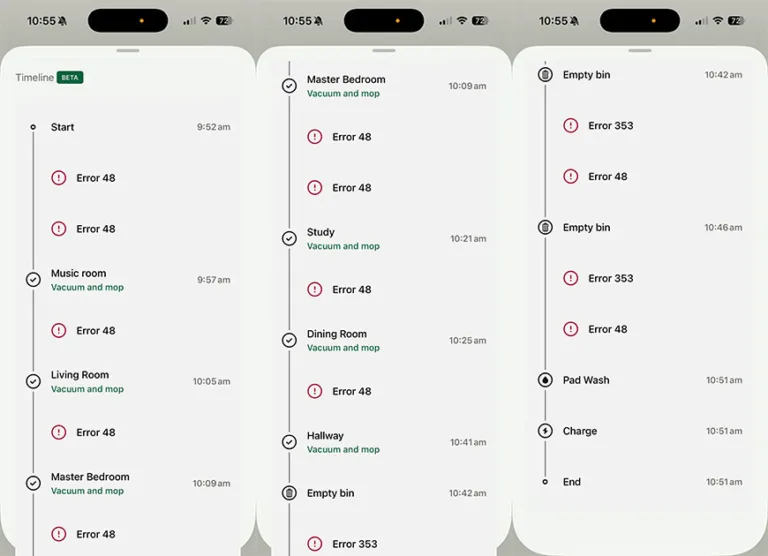
Maybe I'm getting caught up in semantics, but the word ‘error’, especially used in relation to tech, usually indicates a cause for concern. There is something unsettling about looking at your cleaning logs and seeing a slew of errors. It’s like getting an assignment back covered in red pen. Switching out this messaging would do a lot for the user experience, and the qualitative vibe of using the product.
One of the perpetual (and actual) errors was more enduring than the others, and ended up being why this review has taken me so long to get through. Once the Roomba would dock, I was constantly getting a message saying the vacuum bag wasn’t installed. It very much was. Nevertheless, the error stopped the dock from auto-emptying the vacuum.
Eventually, I managed to fix this error (even though I’m not really sure how), but even then the dock wouldn’t suck the debris out of the vacuum. It made all the noise, but the on-board dustbin remained full.
iRobot gave me the opportunity to get in touch with an engineer, but most people don’t have a direct line in this same way, so I decided it would be better for our readers to see if I could get to the bottom of this using their usual resources. I started with their online support - a chatbot which I am almost certain is powered by AI. The chat told me to “clean the Blower Cover”. There is no Blower Cover, at least not according to the device manual. When I pointed this out, the chat gave me a very ChatGPT-coded response “you’re right! Thanks for pointing out that there is no Blower Cover. Why don't you try this instead?” And proceeded to give me more instructions that did not reflect the vacuum model.
I submitted a ticket to talk to an actual person, but in the interim, I found myself where we all do, deep in a Reddit thread. As it turns out, there was a small spec of dust on the vacuum port that was tripping the sensor. Cleaning it allowed the vacuum to fully evacuate, but I do need to clean it almost every day to keep that consistent.
As it turns out, Roombas are frequently finnicky. According to the forums, these divas need their dressing rooms to be just right to ensure an ovation-worthy performance. Out of all the robot vacuums I have reviewed (which is oh, so many), I can attest to this. Roomba sensors are especially sensitive, and while that may seem like a win on paper, in practice it can be impractical.
Is the Roomba Max 705 Combo worth it?
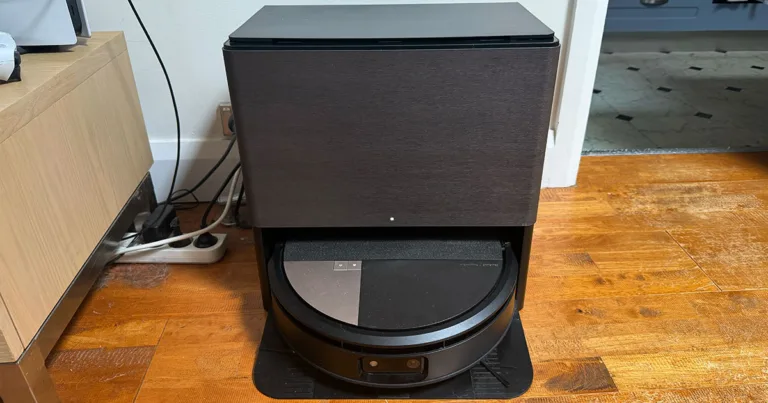
I have mixed feelings about the Roomba Max 705 Combo. My time with it has been frustrating, marred with more swear words than I have ever uttered at a piece of technology. And I have a printer at home, so that is saying something. But at the same time, I can see the potential. The intelligence and navigation aspect of robot vacuums is usually the trickiest to get right, and on that note the Max 705 brings the house down. Concurrently, the particle performance and the fussy dock take away most of the convenience you want from a robovac.
Mix that together with an alarming user experience in the app, and the Roomba Max 705 Combo is difficult to recommend. While it has redeeming qualities, the overall experience is far too unreliable.
Robot vacuum cleaners compared
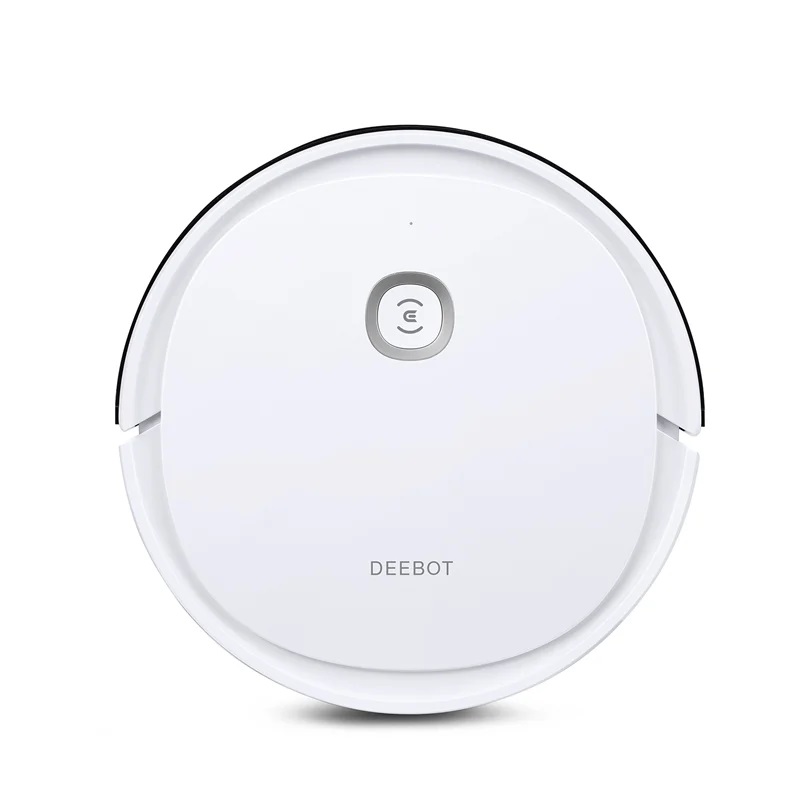
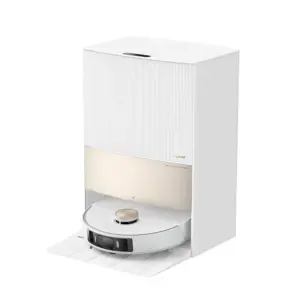
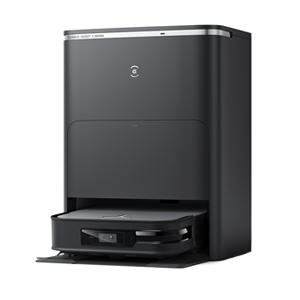
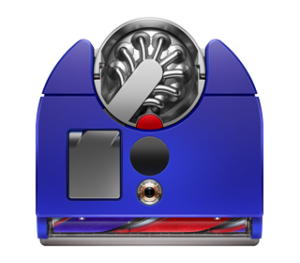
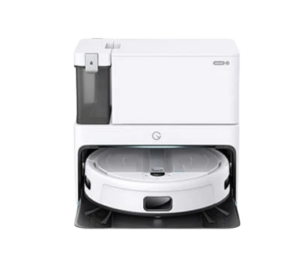
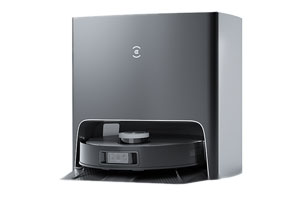
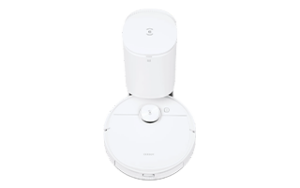
Australia has a bunch of robot vacuum cleaners available on the market, starting as low as $300 if you can get a good deal. We have reviewed and rated more than 20 units over the past few years. Here are how the most recent robovacs compare.
























Related Articles

The best Satellite NBN Internet plans available in Australia
Don't get ripped off...
5G Home Internet Providers in Australia
NBN may be the dominant form of home broadband for most Australian homes, but 5G...
Nothing unveils a thriftier take on its trendy transparent headphones
Pictured: Nothing Headphones (A) // Nothing’s trendy headphones get a budget-friendly remix By Fergus Halliday...
Nothing’s latest budget-buy is almost a flagship in disguise
Pictured: Nothing Phone 4a // Nothing’s new budget phones are a big swing By Fergus...



