
Samsung's latest luxury phone has arrived.
Samsung Galaxy S26 Ultra review: Steep price, stellar tech
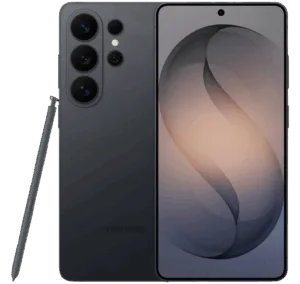
Samsung Galaxy S26 Ultra

Display
6.9-inches AMOLED
Processor
Qualcomm Snapdragon Elite for Galaxy
RRP
Starts at $2,199

 6 min read
 Privacy display
Fantastic performance
Versatile camera
Privacy display
Fantastic performance
Versatile camera 
 Familiar design
Steep asking price
Still no proper Qi2?
Familiar design
Steep asking price
Still no proper Qi2? It’s hard to put a price on privacy, but Samsung’s latest flagship tries to make it a premium one anyway.
The newly-announced Samsung Galaxy S26 Ultra is the company’s latest luxury-grade phablet. On most fronts, it’s as iterative an evolution of last year’s Galaxy S25 Ultra as you might expect – for better or worse.
There are two big exceptions to this. The first is the new Privacy Display, which plays to Samsung’s strengths in display technologies but is easy to miss if you aren't looking. The second is the higher asking price, which is just as noteworthy but a whole lot more difficult to ignore.
The Galaxy S26 Ultra might be a tough sell for more everyday consumers, but Samsung has been making phones like this one long enough to know that’s not who this is for anyway.
How much does the Samsung Galaxy S26 Ultra cost in Australia?
Starts at $2,199
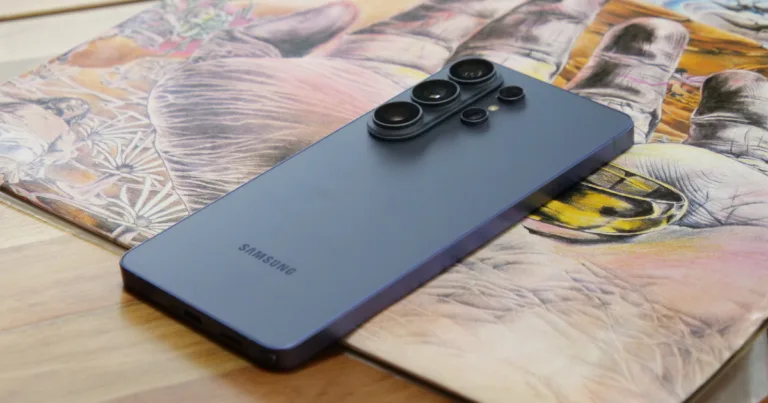
In Australia, the Samsung Galaxy S26 Ultra starts at a price of $2,199. That entry-level price gets you just 256GB of on-board storage. If you want to double that to 512GB, you’re looking at $2,499. Meanwhile, those who want to shell out for the full 1TB are looking at a pricey $2,949. If you’re looking at this specific version of the Galaxy S26 Ultra, then you’re looking at spending more than you would for the entry-level version of Samsung’s foldable Galaxy Z Fold 7.
That’s a lot of cash. Fortunately, you might be able to save if you shop around. Buying the Samsung Galaxy S26 Ultra on a plan is another way to make the sizable sum involved a little easier to swallow.
Check out the widget below for the cheapest Samsung Galaxy S26 Ultra plan in our database this month.
Samsung Galaxy S26 Ultra review - Design and Features
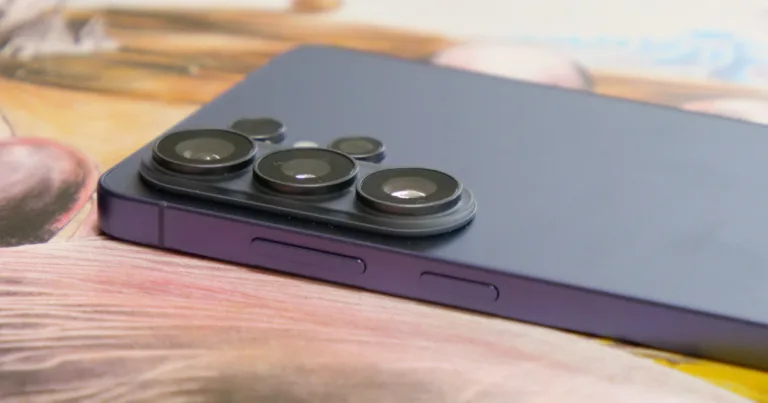
Samsung’s 2026 flagship is built better, but it’s not particularly different to the Galaxy S25 Ultra.
On the outside, it’s slimmer, tougher, and lighter. Then, on the inside, the Galaxy S26 Ultra boasts a revamped thermal architecture that incorporates a new vapour chamber.
Of course, as usual, the main event here remains the display. The Galaxy S26 Ultra is built around a 6.9-inch AMOLED screen with all the usual bells and whistles. It’s got 500 ppi, a 120Hz refresh rate, HDR 10+ colour, and up to 2600 nits of peak brightness.
Adding to this, the Galaxy S26 Ultra is also Samsung’s first flagship to tout what the manufacturer is branding as a Privacy Display. When this feature is enabled, the wider pixels on the Galaxy S26 Ultra's screen get turned off. This reduces the overall brightness, but more importantly, it reduces the viewing angle such that only someone staring dead-on at the display can actually see what’s happening on it. You can even get more granular with it by concealing specific applications or your notifications.
Genuinely, the Privacy Display is really cool. It’s not a game-changer, but it is a tangible utility-oriented inclusion that you aren’t getting elsewhere. At least, for now.
Another technical improvement worth touching on here is support for faster 60W charging via USB-C. The usual caveats apply. You can only get these faster speeds with selected charging accessories, and you won’t find those in the box when you shell out for the Galaxy S26 Ultra.
On the other hand, and despite these cutting-edge charging specs, Samsung’s latest flagship still lacks true Qi2 support. The device supports faster wireless charging speeds but lacks the magnets that give it the MagSafe-like functionality found on the Google Pixel 10 Pro.
There are cases that make up this difference that you can buy. However, following the introduction of Google’s own Pixelsnap system last year, that setup can’t help but come across as even more of a compromise.
The camera setup on Samsung's portable photography powerhouse has gotten a similar upgrade, but doesn’t come with so many caveats.
While the hardware here (which consists of a 200MP primary lens, 10MP 3x telephoto lens, 50MP ultrawide lens and 50MP 5x telephoto lens) is very similar to what you can find on the back of last year’s Galaxy S25 Ultra, the 1x and 5x lenses here now features wider apertures that are able to capture more light. The main lens has gotten the bigger uplift, but the telephoto lens isn’t far behind.
Although I found that the camera on the Galaxy S26 Ultra didn't handle motion quite as well as the one on the Google Pixel 10 Pro XL does, I still came away pretty impressed with its telephoto and low-light performance.
For a sense of what the Samsung Galaxy S26 Ultra can do, check out the camera samples below.


















Samsung Galaxy S26 Ultra review - Performance
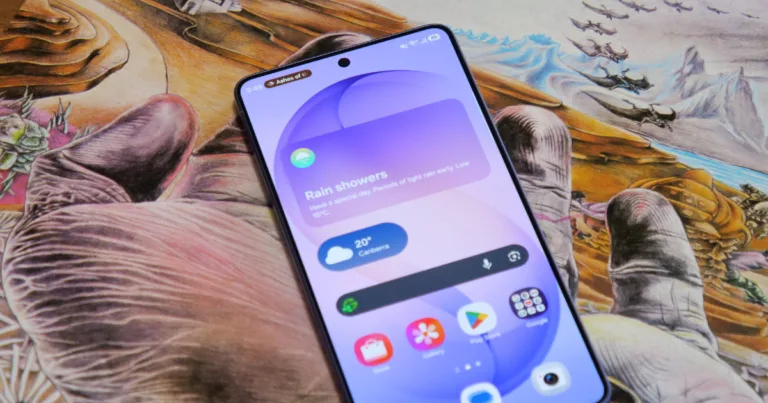
This time around, only the Samsung Galaxy S26 Ultra comes with the latest Snapdragon 8 Elite Gen 5 for Galaxy processor as the cheaper models rely on Samsung’s own Exynos 2600 silicon instead. That’s a loss for those who prefer a smaller screen (or a thriftier price tag), but it does make the case for upselling yourself to the flagship model a little easier to justify.
Under the hood, the Galaxy S26 Ultra comes with 12GB of RAM as standard. As mentioned above, the phone is available with as little as 256GB of storage and as much as 1TB (if you can afford the premium).
Samsung's latest flagship runs on Android 16 and the latest version of Samsung’s One UI, with seven years of software and security updates. That's as good as Android devices get. Even if it isn't an improvement on last year's device, that's still good to see given the asking price involved.
In practice, those pieces add up to a satisfying whole. Apps loaded fast, and I had no real major issues or hiccups when it came to the overall software experience. The Galaxy S26 Ultra didn't sweat too much when it came to multitasking, nor did it have any issues with more games like League of Legends: Wild Rift, Diablo Immortal and Zenless Zone Zero.
In the past, I’ve had various technical issues with Destiny Rising on Android devices but I had no such stuttering or low-frame rates with the Galaxy S26 Ultra. It’s inevitably a bit hard to pin down how much of that is due to the silicon involved, the superior thermal architecture inside the Galaxy S26 series, or the degree to which that specific title has been optimised since launch.
Regardless of which reason you pick, you end up at the same destination – which is that Samsung’s latest high-end device is an absolute treat for those looking at gaming on the go.
Although Samsung is being a little less loud about AI this time around, the Galaxy S26 Ultra does come with a few new tricks on that front. Screenshot Analyser, Now Nudge, and a resurrected version of Samsung’s Bixby voice assistant that’s powered by LLMs round out the already long list of AI-powered features found on this year’s Galaxy flagship. The full list of the device's AI features and apps is as follows:
- Chat Assist: Use AI to rewrite your texts and emails.
- Live Translate: Use AI to translate text and audio in real time.
- Circle to Search: Circle on screen text or images to pull up relevant search results for it via Google.
- Sketch to image: Turn text prompts into images using AI.
- Browsing assist: Summarise web pages using AI.
- Note Assist: Summarise notes using AI.
- Portrait studio: Use AI to "reimagine" portrait images in alternative art styles
- Math Helper: You can now write equations and get answers to them in Samsung Notes
- Handwriting Assist: Samsung Notes will make your penmanship better
- Conversational search: You can now navigate and use Samsung's Gallery and Settings apps by using conversational prompts
- Call Recorder: You can record, transcribe and summarise phone calls using generative AI
- AI Select: Highlight a selected image on your screen and receive a list of recommended and relevant actions
- Cross-app actions: Using Google Gemini, you can now ask your phone to complete tasks across multiple selected apps.
- Now brief: Each day, your phone will offer personalised summaries that combine weather, news, health and calendar information in a single round-up.
- Now Nudge: Dynamic lockscreen information similar to Google's
- Screenshot Analyser: Sorts your screenshots into folders.
It's only taken a few years for that list of Galaxy AI features to get long enough that each fresh addition feels like a case of diminishing returns. Still, compared to some other brands, Samsung's AI-integrations are relatively easy to ignore if you're not interested in them. As always, though, I wish there was something like a big dial that you could use to determine how visible or in-your-face all these new software hooks are within the wider interface.
When it comes to the battery inside the device, the Galaxy S26 Ultra is kitted out with a 5000mAh battery. Even as other high-end handsets are looking to adopt even larger capacity and new silicon carbon-based batteries, this setup serves Samsung’s latest fairly well. I could confidently make it through two days of regular usage on a single charge.
Burned down via streaming video from YouTube over Wi-Fi, the device took 27 hours and 22 minutes to go from a full charge to zero. That's a really impressive result that puts it well above other devices in its category.
Is the Samsung Galaxy S26 Ultra worth buying?
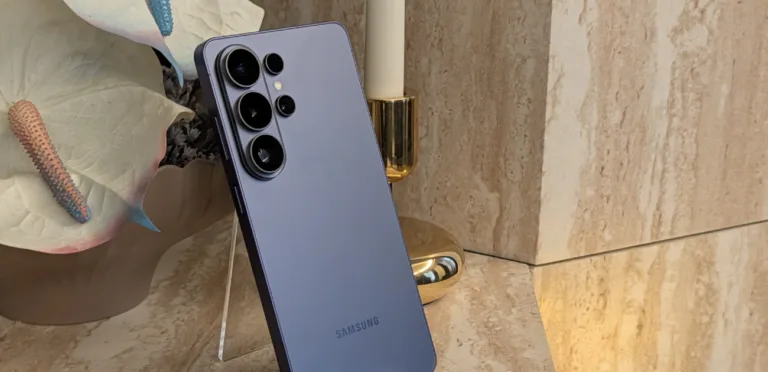
There’s simply no getting around how expensive the Galaxy S26 Ultra is, and while I do like the Privacy Display, it doesn’t quite add enough to offset the bite that inflation takes out of the overall appeal here.
Still, Samsung’s latest top-of-the-line phablet doesn’t make any major missteps. It’s got an impressive camera, premium design, and solid battery life. What more could you ask for?
Samsung’s Galaxy S26 Ultra is going to be hard to justify for more everyday consumers. However, if you’re an enthusiast looking for something that offers more than the competition, you’ll likely come away satisfied with the feast of features and a healthy side-serving of high-end specs found here.


Related Articles
Samsung Galaxy S26 Ultra review: Steep price, stellar tech
Samsung's latest luxury phone has arrived.

Best cheap mobile phone and internet bundles
Bundles aren't as common as they used to be, but seek and ye shall find.

Cheap NBN plans: Compare speed tiers and providers
Chick out these cheap, cheap deals 🐣.
Starlink in Australia: SpaceX’s satellite internet explained
The satellite internet solution from SpaceX promises a faster future for rural Australians.



