
The creme de la creme of the cozy game genre.
Pokémon Pokopia review: Cozy equilibrium

 5 min read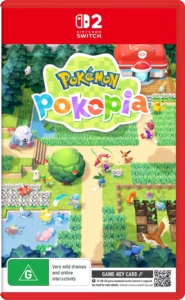
Pokémon Pokopia

Platforms
Nintendo Switch 2
Release date
5 March 2026
Reviewed on a Nintendo Switch 2.

Pros
 Flexible building options
Unique dialogue
Rich storyline
Flexible building options
Unique dialogue
Rich storyline 
Cons
 The level of customisation can feel overwhelming
 Pokémon Pokopia builds on the best of what the cozy game genre has to offer. It takes the cheeky NPC interaction in Animal Crossing, the creative cooking and foraging elements of Stardew Valley, and the building flexibility of Minecraft, and wraps it up in a warm blanket of nostalgia.
Nintendo’s first foray into the cozy game genre is a hole-in-one. If you love cozy games, you’re bound to sink countless hours into Pokopia. Even if you’re not a Pokémon fan, Pokopia might surprise you. It’s cathartic, addictive, and will have you glued to your Switch, whether you like it or not.
I’m ashamed to admit that when the trailer for Pokémon Pokopia was released, I wrote it off. Heinous, I know, but the cozy game scene is going through it right now. The market is oversaturated. More comforting, open-world games aren’t inherently bad, but their rise in popularity has resulted in an alarming number of forgettable, half-baked creations.
Not every game is going to stick the landing, and that's okay. But when all a developer cares about is cashing in on the cozy game genre’s stardom, you get a game like Heartopia. At first glance, it appears charming, with exaggerated chibi graphics and interesting lore. But the deeper you get, the more you realise how shallow it is. Throw in wholly AI-generated puzzles, storylines, and artwork, and the result is a controversy-laden, sloppy copy of Animal Crossing.
Still reeling from the disappointment of Heartopia, I naively thought Pokopia would follow a similar path (sans reckless AI use, of course). I’ve never been happier to be proven wrong.
When you sign up for a cozy game, you usually know what you’re in for. Most of the time, you’re engaging in repetitive, low-stakes gameplay, with some grinding to level up your stats, fulfil quests, or upgrade your materials over time. However, the golden rule for cozy games is that anything goes. While most cozy games usually have some core gameplay loops in common (fishing, farming, cooking, and romancing NPCs), they are, for the most part, subjective. If it makes you feel warm and fuzzy, it’s a cozy game.
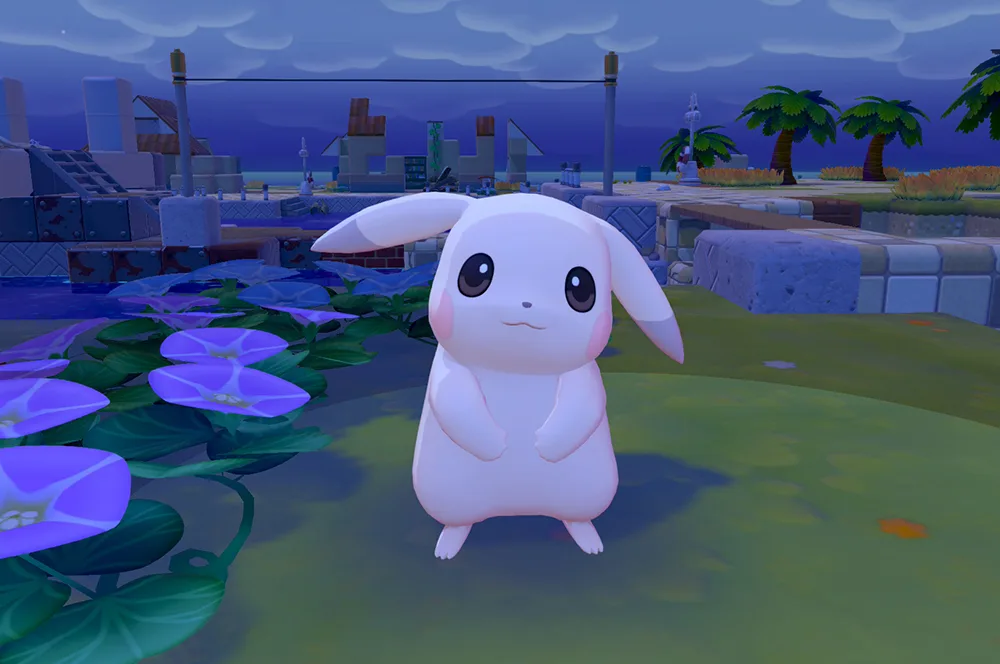
Pokopia ticks all the boxes, and then some. It has all the elements you’d expect from a cozy game (like farming and cooking), but it feels surprisingly refreshing. It’s slow enough as not to induce stress or frustration, but not too slow that you’ll be reaching for your phone every 15 minutes. The story is rich and deep, but not convoluted. Its pace isn’t hurried, but there’s always a habitat to tend to, quests to start, and Pokémon backstories to cry over.
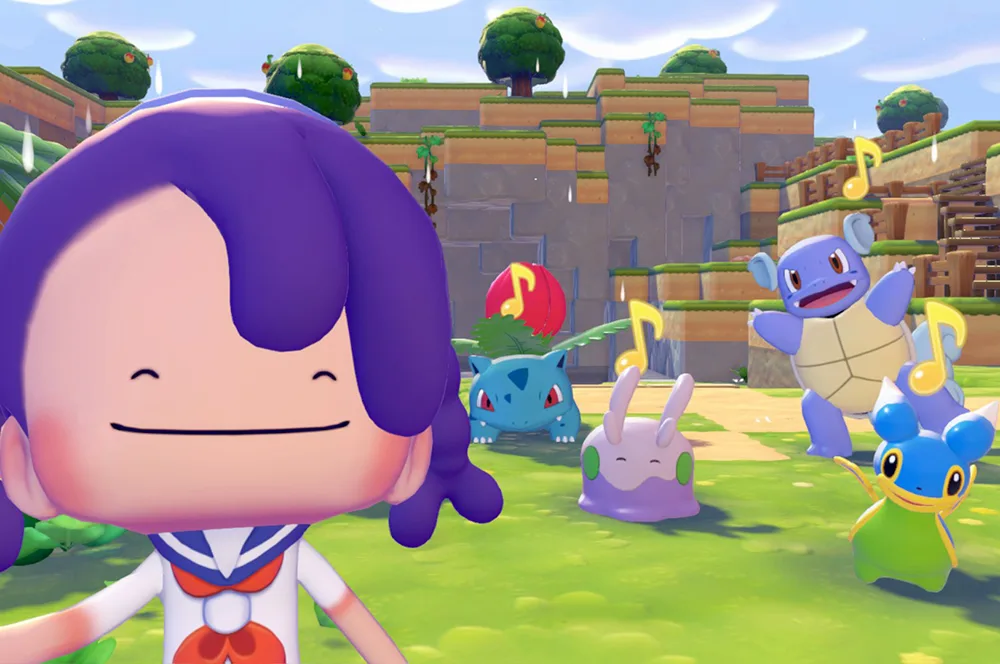
Rather than starting your journey on Route 1 as a Pokémon trainer, you’ll take the form of a Ditto (who in turn takes on the image of a human). Guided by Professor Tangrowth, a fellow Pokémon, you’ll help restore Kanto to its former glory. With multiple biomes that spread as far as the eye can see, it’s a huge undertaking, but you’re up for the challenge. Restoring ruins comes with many new Pokémon friends for you to meet and care for, and in exchange, they’ll bestow upon you new abilities and keys to progress the story.
You’ll begin your land transformation by mimicking the abilities of other Pokémon. Bulbasaur will teach you to produce tufts of grass, and Squirtle will teach you how to puke on water and bring dead plants to life. Magikarp, who is now actually good for something, will also teach you how to jump. Not unlike Minecraft, you’ll destroy and reimagine the blocks that make up your island.
It’s not all busywork, though. Between the socialising, decorating, and the main and side quests, there’s always something to do.
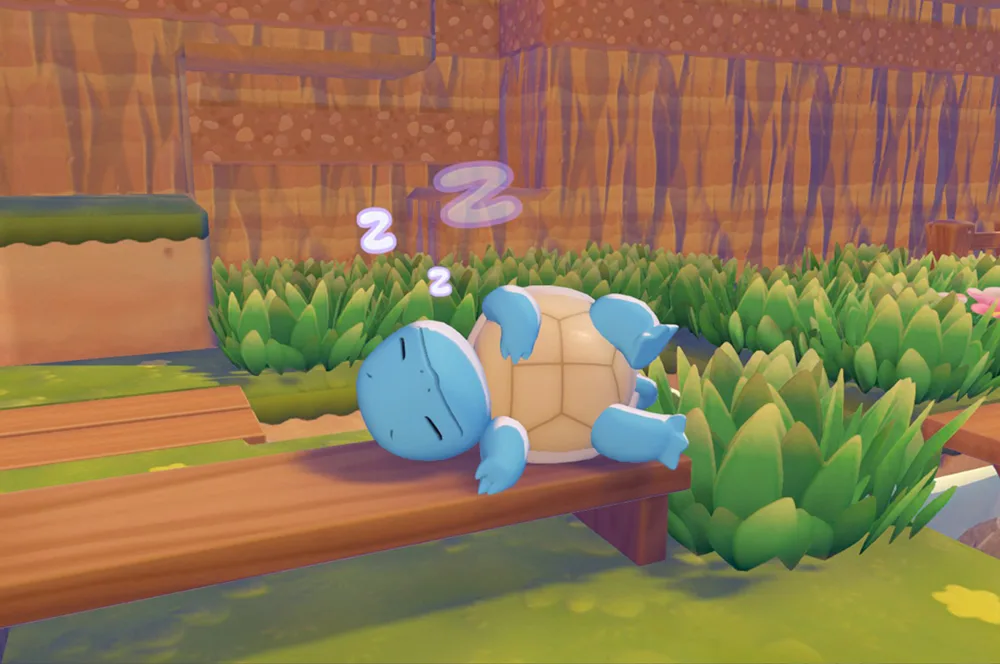
As you rack up more hours in Pokopia, you’ll realise it’s more than a simple nostalgic-tinged life-sim. Pokopia turns the act of rebuilding a world ravaged by destruction from a painstaking process into cathartic joy. Instead of capturing and strengthening your Pokémon for battles, Pokopia drops you off on the same level as your Pokémon friends. You’ll rediscover Pokémon you forgot existed, and forge relationships with prized Pokémon you’ll recognise from other games, as if you’re rekindling old friendships.
As you ‘get to know’ each Pokémon, you’ll notice their personality shine through in their dialogue. The dialogue in Pokopia reminds me of that of Pokémon: Mystery Dungeon, which offered some snappy one-liners, alongside some inspirational reflections. Pokopia strikes this balance perfectly, teetering on both ends of the wholesome and hilarious spectrum. Bulbasaur’s iconic ‘let’s get this place HUMID!’ lives in my head rent-free, while Pinsir and Heracross’s frat boy banter, and Cubone’s musings about his dead mother breathe so much life into the game.
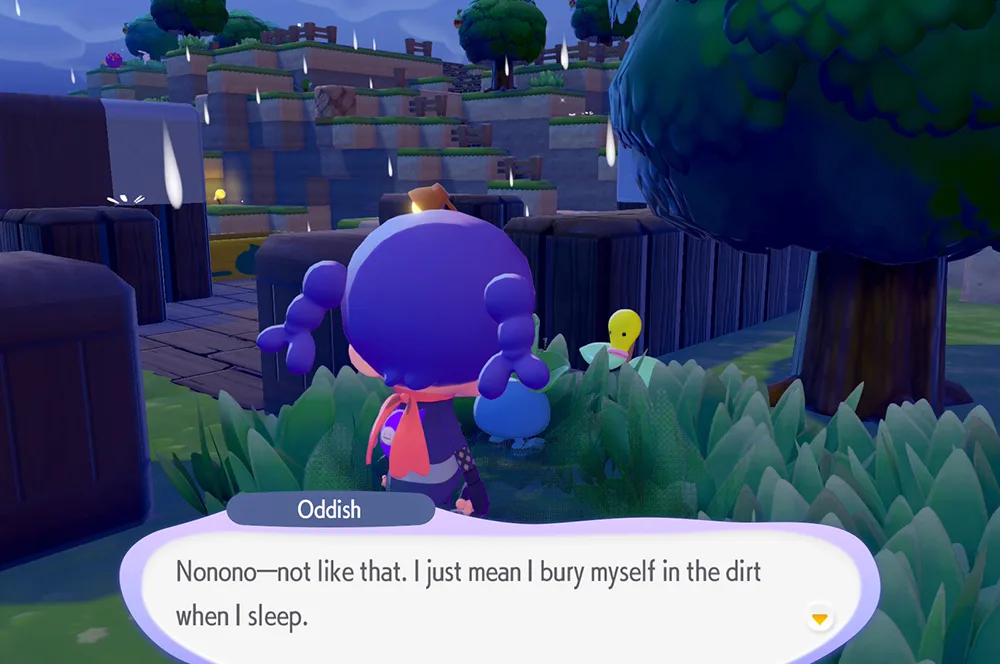
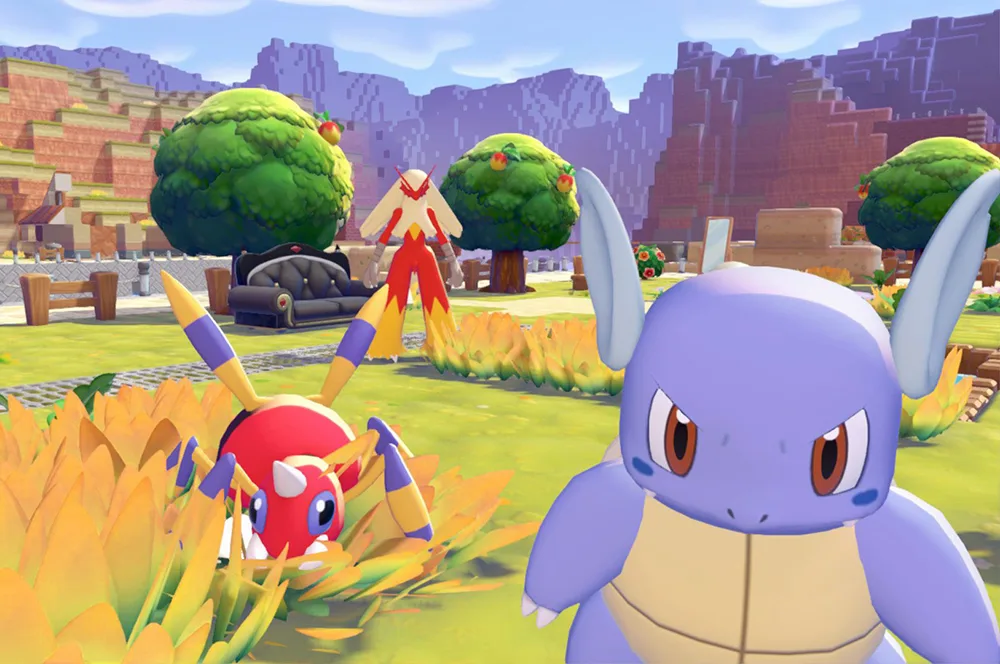
When it comes to building, the only limit to what you can create is your imagination. Want to destroy a whole mountain and create a cave instead? Go for it. Want to extend the sand on your beach and create a water park? Easy done. Want to craft a garden party-themed house and fill it with flowers, veggie plants, and a picnic for all to enjoy? It’s encouraged!
Once other players started to realise just how vast and flexible Pokopia was, a familiar feeling reared its ugly head – the dreaded FOMO. As I progressed the storyline, I couldn’t help but compare my bare bones biomes to creators who were quick to craft elaborate and imaginative habitats. Frankly, it put my dilapidated wasteland to shame.
However, there’s nothing wrong with a country girl's make-do situation, and that mindset was more common than I thought. For every themed cityscape creation that went viral online, there was a creator who hadn’t gone all in on aesthetics. At least not yet.
While I love how flexible and customisable the building options are, seeing themed multi-story homes and literal mansions made out of the materials I had yet to discover made me feel overwhelmed. Luckily, Pokopia had already come up with a solution – pre-built habitats.
Instead of building your home from the ground up, you can purchase pre-built homes from the shop. While they’re not as boujie and customisable as what you’ll see online, there’s a range of designs to fit in with your preferred biome, with the interior left for you to decorate how you see fit. You won’t have to worry about your Withered Wasteland looking as sad, and your Pokémon villagers are none the wiser.
Otherwise, if you’ve got the time and in-game resources, you’ve got the freedom to go full Minecraft mode on the lush, fairy-themed rainforests. Perhaps the best thing is, the Pokémon you’re tending to couldn’t care less. While it’s easy to get bogged down by what other players’ towns look like, it’s comforting to know that my Pokémon children aren’t worse off while I get to brainstorming the lavish seaside villas they deserve.
Is Pokemon Pokopia worth the money?
Nintendo’s first foray into the cozy game genre is a straight-up 10/10. It’s comforting, magical, and marked by a warm blanket of nostalgia. Inspired by the vast creativity of Minecraft, you’ve got the freedom to build from the ground up, or stick to pre-made components if it all seems a bit too overwhelming. The biomes are so vast, and there’s never a shortage of quests to fulfil.
However, the real joy is in the slowness. Pokopia wants you to curl up on the couch, brew a hot cup of tea, and enjoy it in the coziest way possible. If you want a delightful, unexpectedly complex, all-consuming cozy game that only gets better the more time you invest, Pokopia is the perfect choice.
Pokemon Pokopia trailer
What can I play Pokemon Pokopia on?
Pokémon Pokopia is available to play on the Nintendo Switch 2.

Related Articles
A wider Galaxy Z Fold 8 arrives alongside a “new” Ultra model
Samsung's new foldable lineup sounds familiar but looks different.
Samsung Galaxy Z Flip 8: Price, specs and cheapest plans
Samsung's slimmest flip-phone comes with a premium.
Samsung Galaxy Z Fold 8 & Z Fold 8 Ultra: Price, specs and plans
What's the deal with Samsung's latest big-screen foldables?

Best internet plans in Australia this month (July 2026)
If you're looking for Australia's best internet plans, then stop looking.



