
“Subscribe, Watch, Cancel” Is How Nearly Half of Americans Fight Back Against Streaming Price Hikes

The "Subscribe, watch, cancel" streaming strategy. Image Credit: iStock/Tero Vesalainen

The "Subscribe, watch, cancel" streaming strategy. Image Credit: iStock/Tero Vesalainen

// Subscribers are done with paying for multiple services every month.
Sara J. Nguyen
Jun 23, 2026
Icon Time To Read3 min read
Icon CheckEdited ByKelly Huh

You hear about a buzzy new series with a can't-miss season finale. Or maybe it's a championship game, a prestigious award show, or an exclusive movie that piques your interest. There's only one issue: it's streaming on a platform that you don't pay for.

No problem. You whip out your card and sign up for the streaming service. But once the show is over, you click "Cancel" before the next bill hits your bank account.

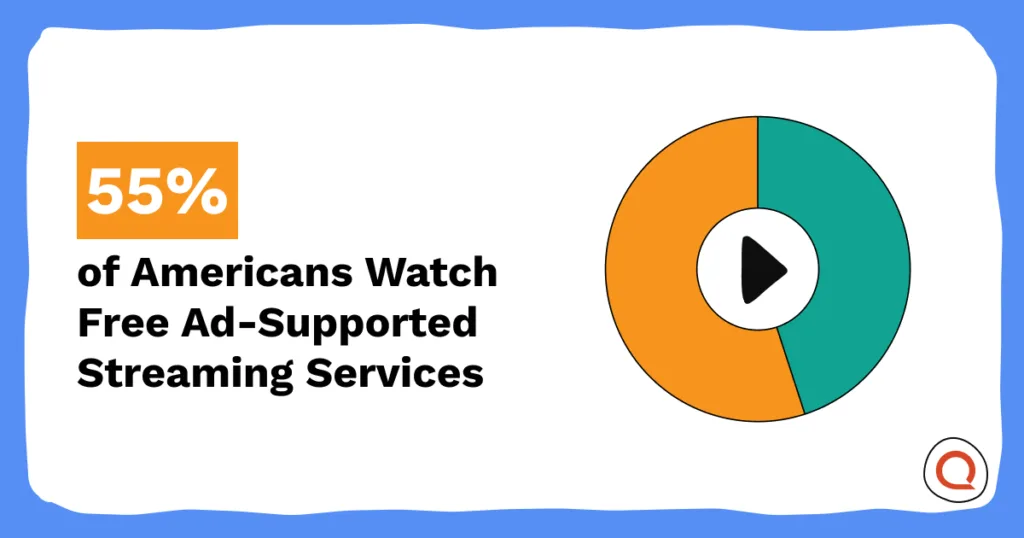
You're not the only one with this streaming habit. According to Reviews.org’s Streaming Fatigue Report 2026, 48% of Americans have subscribed to a streaming service to watch a specific show or event. Then they cancel soon after. For many, it's not a clean break, with 55% re-subscribing when there's a new show or live event that they want to watch. However, it’s also not a continuous, month-to-month commitment.

Let's take a closer look at how this shift is changing the way Americans pay for TV.

The "Subscribe, watch, cancel" strategy

48% have subscribed to a streaming service specifically to watch one show or event, then canceled soon after.

Streaming subscriptions aren't regular monthly bills anymore, instead, people are using a patchwork of viewing options instead of relying on a streaming bundle. The rotating streaming setup allows viewers to watch what they want when they want. A household may subscribe to Apple TV to watch a new series and cancel when the finale airs. Then they could sign up for Peacock to watch a new movie release. All the while, they keep their Netflix subscription to rewatch their favorite show.

Nearly half (49%) of viewers feel the overall content on streaming services has gotten worse over the past two years. That doesn't mean there's nothing worth watching. But it does indicate that the must-watch shows are feeling more far and few between. When viewers see fewer titles they're excited about, they may view subscription services as not having enough value. 

Viewers still want streaming services, but are more selective about which ones they keep around.

As many as 68% would consolidate all their streaming services into one monthly bill if they could. That's not to say that Americans want fewer streaming choices. They just want fewer recurring bills and less subscription management.

Free and ad-supported options fill the gaps

Budget-conscious viewers gravitate toward free or ad-supported streaming services. 58% regularly watch free, ad-supported YouTube content as a substitute for paid streaming.

Alternative free streaming platforms are part of the mix. 43% reported using Tubi, 32% are using The Roku Channel, and another 30% are using Pluto TV. You may even find free streaming with your library card.

Meanwhile, 37% use an over-the-air antenna to watch local channels.

Free platforms are readily available, so it's easier for viewers to cancel a paid streaming service as soon as that one must-watch show or event is over.

Price hikes cause viewers to cut back

52% have canceled or downgraded a streaming service because of a price increase.

Viewers actively review their streaming subscriptions to figure out if it's worth paying for another month. With rising streaming prices, viewers feel every monthly charge has to justify itself. That's why subscribing for a single show or event, then cancelling, feels like a smart move to stay on budget.

  • Many viewers tend to downgrade their streaming plans. 43% are likely to cancel at least one streaming service in the next three months.
  • Other viewers make a plan to cancel in the near future. As many as 38% have switched from ad-free to ad-supported tiers in the past year.
  • For the 21% of Americans who are paying for five or more streaming services, the stakes can feel even higher. Each new show or sports season can mean another monthly charge. It can make strategic downgrades and cancellations more essential to keep their budget in check.

Consumers have made one thing clear: they're not paying for a year-round subscription when there's nothing worth watching. By treating streaming services as flexible, short-term platforms, viewers have quietly taken back control. The real question now is how long Netflix, HBO Max, and the rest will let them keep it.

Sara J. Nguyen
Written by
Sara J. Nguyen is a freelance writer, specializing in online security. She aims to help people enjoy technology while protecting their data and privacy. Sara's work has appeared on reputable platforms like Frontier Internet, All About Cookies, and more. When she's not writing, she's planning her next international trip.

Related Articles

The "Subscribe, watch, cancel" streaming strategy. Image Credit: iStock/Tero Vesalainen
“Subscribe, Watch, Cancel” Is How Nearly Half of Americans Fight Back Against Streaming Price Hikes
Reviews.org survey data shows 48% of Americans joined a streaming service for one show or...
Donut chart showing 59% of Americans can't get all local channels via TV antenna — 44% receive most, 13% get none.
37% of Americans Are Using a TV Antenna Again. Most Still Can’t Get All Their Local Channels.
Reviews.org data shows 37% of Americans use TV antennas, but most antenna users still miss...
Couple watching soccer at home on the couch, smiling and holding beers and a soccer ball.
How to See the 2026 FIFA World Cup On the Cheap
Tickets to FIFA World Cup 2026 are cost-prohibitive for many fans. Watching from home via...
Person holding a smartphone while pressing a button on a smart home control panel mounted on a wall.
45% of Americans Have Never Touched Their Smart Device Privacy Settings — Fix It in 3 Steps
Nearly half of Americans have never changed smart device privacy settings. Here are simple places...