How to See the 2026 FIFA World Cup On the Cheap

Couple watching soccer at home on the couch, smiling and holding beers and a soccer ball.

You don't need a cable package to catch every World Cup match this summer. Image by Milan Markovic

// Don't break the bank to watch the 2026 FIFA World Cup
Corey Whelan
Jun 17, 2026
Icon Time To Read4 min read
Icon CheckEdited ByKelly Huh

During the NFL seasons when I covered tailgating for CBS News, MetLife Stadium was my home away from home. Nothing thrilled me more than those fan-filled seas of green or blue, but I have to admit that the Giants held a bigger piece of my heart than the Jets. No matter which team was up, however, I didn’t mind the 30-minute train ride from Penn to the Stadium, or the $12.90 NJ Transit fare to get there.

The FIFA World Cup 2026 runs from June 11 to July 19. MetLife is hosting eight out of 104 FIFA World Cup matches, but I won’t be there for any of them. No way am I paying the jacked-up rates for that short commute now, or buying FIFA tickets, which range from a very limited number of face value $60 seats, upwards to many thousands of dollars or more, on the resale market. So like millions of soccer fans, I’ll be watching the World Cup from my living room.

Home viewing is obviously cheaper than seeing the matches in person, but can still cost you. If you’re wondering how to watch the World Cup on the cheap, here are some good options.    

Why are World Cup tickets so expensive?

It’s not easy (or cheap) being a sports fan. Just like concerts, Broadway shows, and many other wish-I-could-afford-it events, live sports have become financially prohibitive for many of us. This doesn’t just kill ticket sales, it also kills dreams.

This year, FIFA, a not-for-profit Swiss organization, used dynamic pricing to set the cost of World Cup tickets. This means that ticket and transportation costs are based on North American market demand.

FIFA is also profiting from a robust, official resale market that includes steep add-on fees. Fans have taken to the FIFA Resale/Exchange Marketplace in response to the prohibitive primary market cost of face-value tickets. But resale relief is elusive, at best. Ticket prices have been reported to top 2 million on that platform.

It wasn’t always this way. When the U.S. last hosted the World Cup in 1994, ticket prices ranged from an easy $25, to a less easy but still doable $475. This year, FIFA slashed their initial costs slightly, after facing a global backlash from fans on ticket prices. Even the attorneys general of New York and New Jersey got involved, by launching an investigation into FIFA’s bait-and-switch seating, and exorbitant pricing.

How to watch for free on social media

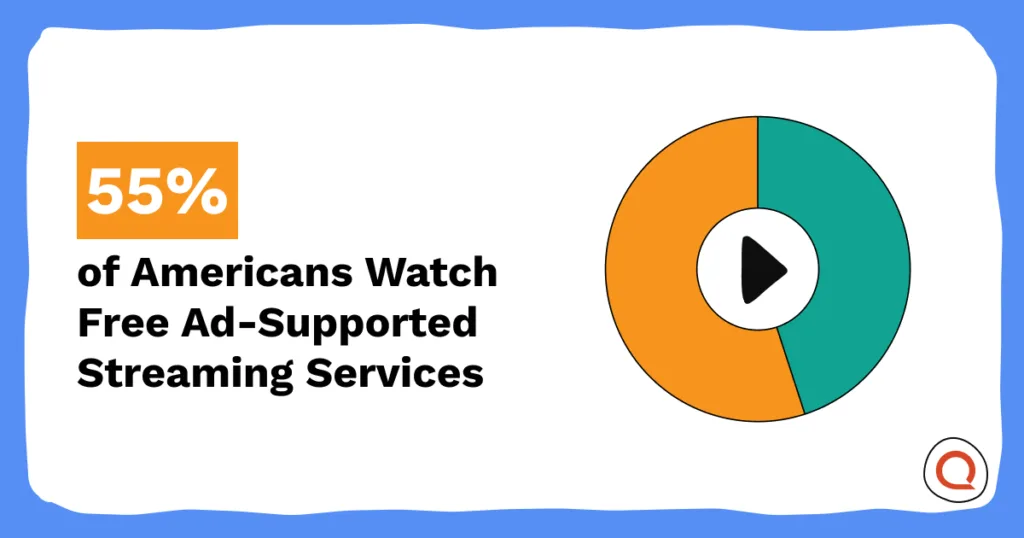
Even if you’re able to save up for the World Cup, it may be easier, not to mention cheaper, to watch from home. Our research on how Americans plan to watch the World Cup showed that 45% of soccer fans plan on using free options, or their existing subscriptions, to watch the matches they care about.

When we polled 1,000 U.S. FIFA World Cup fans on how they were planning on keeping up with the action, 80.84% said they’d be watching clips and highlight reels on social media. TikTok, X, YouTube, and other platforms will be used to host select livestreams and match clips from FIFA’s official U.S. partners, on their channels. Content creators and armchair pundits, likely in the hundreds, will also be hosting watch parties and post-match roundups.

Telemundo, the official Spanish-language broadcaster for FIFA World Cup 2026, is hosting Watch Parties on YouTube, X, and TikTok before, during, and after select matches. Telemundo’s YouTube channel will livestream match highlights 24/7, plus fan festival coverage, and more. 

FIFA’s YouTube Channel is free to subscribers, but won’t be your source for complete live matches. You’ll be able to stream the first 10 minutes of every match for free, but only a few will be shown from start to finish.

The channel will also broadcast extended recaps and highlights of much of the action, plus some full replays, and exclusive content, like player interviews. If you’ve only got a second or two, FIFA’s official X account will be a good resource for realtime stats.

How to watch the world cup with traditional TV or cable

The channels airing all 104 World Cup games are FOX and FS1 (Fox Sports 1) in English, and Telemundo and Universo in Spanish. That’s good news for the 73% of people who plan to watch the World Cup on traditional TV or cable.

If you currently have a cable TV subscription through a provider like Optimum, Verizon Fios, or Cox, you may already have access to some or all of these channels. Sports channel packages are add-ons that increase your monthly nut by around $15-$20, but don’t usually have cancellation fees, if you only keep them for a month or two.

If you don’t have these channels in your current lineup, you can upgrade your plan, or add a live sports package temporarily.   

If you don’t have cable at all, you can use an over-the-air (OTA) antenna, like 35% of the fans we polled said they’d do. Digital OTA antennas connect directly to your TV’s coaxial port, nabbing you broadcasting signals your TV transforms into audio and video.   


How to stream the World Cup

Many streaming services will give you access to all 104 games through FS1, and other channels. These services include YouTube TV, Hulu + Live TV, Fubo, and Peacock.

Adding access to live sports onto your streaming service won’t come cheap, but you can nab a free trial on many of them. Of the fans we polled, 48% said they’d sign up for a new streaming service just to watch the World Cup.

Fubo and DirectTV limit their free trial access to five days, but YouTube TV lets you hang in there for $0 for a full 21 days. Time it right, and you’ll see the matches that are most important to you. Around 17% of fans mentioned that they’d cancel their subscription pronto after the World Cup ends. 

Hulu (with ads) + Live TV offers a mere three-day free trial. After that, it will cost you a whopping $89.99. If you need some perspective, that’s still way less than the average cost of one World Cup ticket.

Watering holes and fan zones

There’s nothing wrong with letting your local sports bar foot the World Cup bill. Pretty much every watering hole from coast to coast will be broadcasting all the action, from opening ceremonies in Mexico City, through to the finals.

There will also be official FIFA fan zones, and city-sponsored fan events pretty much everywhere there are fans. Wear your colors, just don’t forget to play nice.

Corey Whelan
Written by
Corey Whelan is a Brooklyn-based freelance writer with 10+ years of experience covering science, health, and consumer tech. She utilizes hands-on testing and data analysis to inform her work. Whelan shares her life with her two wonderful children, a silly little rescue dog, and an amazing extended family of arms-entwined cousins.

Related Articles

Couple watching soccer at home on the couch, smiling and holding beers and a soccer ball.
How to See the 2026 FIFA World Cup On the Cheap
Tickets to FIFA World Cup 2026 are cost-prohibitive for many fans. Watching from home via...
Person holding a smartphone while pressing a button on a smart home control panel mounted on a wall.
45% of Americans Have Never Touched Their Smart Device Privacy Settings — Fix It in 3 Steps
Nearly half of Americans have never changed smart device privacy settings. Here are simple places...
Woman sitting on couch with a concerned expression pointing a remote at a smart TV
Your Smart TV Tracks More Than You Think—and Most Americans Don’t Know How to Stop It
Smart TVs are in most U.S. homes, but many Americans don't feel in control of...
State of Consumer Data 2026: Americans Want More Control Over What Their Devices Collect
The Broadband Equity, Access, and Deployment (BEAD) program allocates $42.5 billion among U.S. states and...