Tim Cook Is Out. Should That Change When You Buy Your Next iPhone?

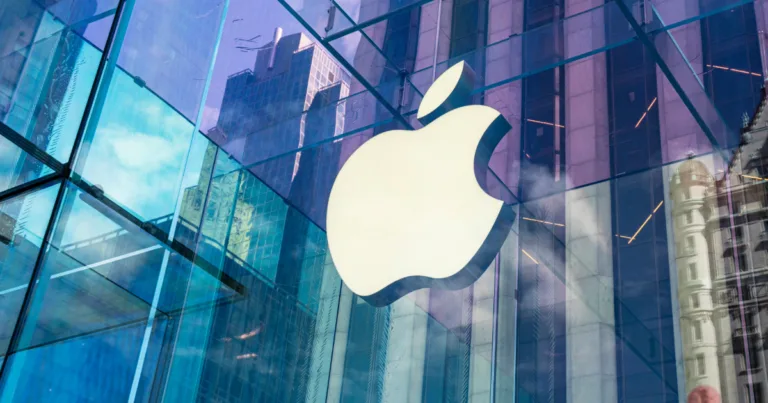
Apple store with the city skyline reflected off the glass of the building.

Tim Cook announced in April that he will be stepping down as CEO of Apple.

// Should changes at Apple prompt you to upgrade your phone?
Corey Whelan
May 13, 2026
Icon Time To Read4 min read
Icon CheckEdited ByBrenna Elieson

With Tim Cook stepping down, Apple is undergoing a watershed moment. Even so, Cook’s departure is unlikely to elicit a call to action for iPhone users.

While phone upgrades are baked into the consumer experience, changes in Apple’s leadership haven’t historically affected how or when people buy phones. This raises the question: what actually motivates people to ditch their phone for a new one?

If you’re like me, you hold onto your phone until it stops working optimally, usually the result of a dying battery. I’ve also held onto phones until they’re no longer eligible for automatic updates, which usually happens around year three.

I hold onto phones longer than I probably should — but not by as much as I thought. Reviews.org survey data from 1,000 respondents shows that both Android and iPhone users upgrade every 29 months or so. Most want to upgrade sooner, around the 16-month mark, but hold out considerably longer. 

Given what’s happening at Apple, is this a good time to bite the bullet and upgrade? 

What's actually happening at Apple—and why it matters for regular buyers

Once upon a time, the only name synonymous with Apple was Steve Jobs. Tim Cook had legendary shoes to fill, but fill them he did. Under Cook’s leadership, Apple added wearables and services to its lineup, growing into a $4 trillion behemoth. But that was then.

Cook is being replaced by John Ternus, the current senior VP of hardware engineering. Ternus’s rise may indicate a stronger commitment to hardware-driven innovation and AI integration. But rising manufacturing competition is pressuring Apple to hold prices down, despite innovations that may be coming your way.

Like when Cook took the helm, Ternus is expected to bring a new style and new priorities to Apple. While not yet a household name, Ternus’s work on Mac, iPhone 17, iPhone 17 Pro, iPhone Pro Max, and other products has earned him worldwide street cred. He's known for his focus on material durability, repairability, and hardware design innovation. All this is great, but it doesn’t address the core reasons why consumers who want to upgrade at 16 months are still holding out until month 29. 

The gap between what Apple charges and what Americans actually pay

When it’s time to upgrade, consumers don’t tend to focus on flagship pricing. According to our survey, the average price paid for a phone, even with financing and trade-ins, is $634.35. That’s not nothing, but it’s far less than the manufacturer’s retail prices of devices like the iPhone 17 Pro, which Apple lists for $1,099, or the iPhone 17e, which comes in at a budget-friendly $599. Android stats are similar, but on the higher side. The Samsung Galaxy Z Flip 7 and Google Pixel 10 Pro both run over $1,099.

Around 47% of consumers pay full cost for new phones up front. Most of us, however, finance our phones over 24 or 36 months, even though that can lock us into a plan we may outgrow. We also tend to trade in our old, limping models for a price break, but even then, owning the latest and greatest isn't a significant motivator — only 7.8% of Americans upgrade simply to own the most recent release.

Why most people actually upgrade—and it isn't the new features

Whatever advertising messages Apple employs in its next upgrade cycle, survey data suggests most people aren't moved by them. They upgrade when their phones stop working, not when marketing tells them to. Here’s how it breaks down:

  • 22% upgrade due to slow performance
  • 18% upgrade due to poor battery life
  • 13% upgrade for newer features, like a better camera
  • 13% upgrade after losing or breaking their phone
  • 8% upgrade to own the latest flagship

At around 29 months, when most people upgrade, phones are pretty much ghosts of their former, bright and shiny selves. Smartphone batteries are designed to last for 300–500 charging cycles, or two to three years, before performance dwindles, sometimes to a frustrating level. While the allure of something new and shiny is real, most consumers upgrade when their phones no longer perform the way they used to.

iPhone owners are holding onto older models—and they’re happier than you’d expect

Before I upgraded to my current iPhone, I was embarrassed to show my old phone. I knew it was past its prime, but I was comfortable with it, at least until I wasn’t. I worked in femtech then, and my Silicon Valley colleagues upgraded phones annually. The Reviews.org survey was validating for me, because it showed that most people hang onto their phones for longer than a year, despite fancy new flagships and marketing pressure.

Data indicates that satisfaction with older iPhones is high, at 4.16 out of 5. Android comes in a bit lower, at 3.98 out of 5. iPhone 13 Pro Max scores a 4.72, and it came out in 2021. The most commonly owned phone is still the iPhone 13, which also came out in 2021. In phone years, these are dinosaurs, yet owners remain satisfied.

The moral of the story? You do you. There’s no need to give in to marketing pressure or the upgrade-now-or-you’ll-miss-out messaging from influencers, who are typically paid for their posts. If you’re happy with your phone, there’s no need to upgrade.

So when should you actually upgrade your iPhone?

It’s up to you, not your phone’s manufacturer, when you should upgrade. We all rely on our phones for pretty much everything, so it makes sense to get a new one before your current phone conks out completely.

If your phone is no longer a reliable tool that supports your day-to-day life, upgrading probably makes sense. Something to consider is battery life, especially if your phone is too old to benefit from a replacement battery. Another need-to-upgrade signal may be your phone’s inability to run the latest iOS version or apps you need.

Phones improve over time, too. If there are new features that’ll make you happy or make your life easier, upgrade to a phone that has them.

It’s OK to upgrade just because. It’s also OK not to for the same reason. If you’re an iPhone user, keeping up with Ternus in his new role may be interesting, and even pivotal. Phones may become longer-lasting and more durable under Ternus. But whatever comes next, the upgrade decision should stay in your hands — not Apple's marketing department's.

Corey Whelan
Written by
Corey Whelan is a Brooklyn-based freelance writer with 10+ years of experience covering science, health, and consumer tech. She utilizes hands-on testing and data analysis to inform her work. Whelan shares her life with her two wonderful children, a silly little rescue dog, and an amazing extended family of arms-entwined cousins.

Related Articles

Apple store with the city skyline reflected off the glass of the building.
Tim Cook Is Out. Should That Change When You Buy Your Next iPhone?
Tim Cook is stepping down in September 2026. Here's what Apple's leadership change actually means...
Person using smartphone and laptop showing Wi-Fi outage warning symbols during internet connection disruption
Should Internet and Mobile Outages Come With Automatic Credits? Most Americans Say Yes
After recent Verizon and Xfinity outages, Reviews.org found most consumers think service disruptions should come...
Woman reviewing finances at a desk in her home. Image credit: iStock/damircudic
65% Feel Misled by Their ISP—Here’s What’s Driving It
Reviews.org survey: 65% feel misled by ISP pricing, and 67% say hidden fees made them...
Young family going over finances together at home with baby. Image credit: iStock/Pekic
Is Your Wi-Fi Getting More Expensive? 73% of Americans Say “Yes”
73% of Americans saw their internet bills rise in 2026. Discover why 65% of consumers...