
Who’s Really on Their Phone the Most? Depends on How You Measure It

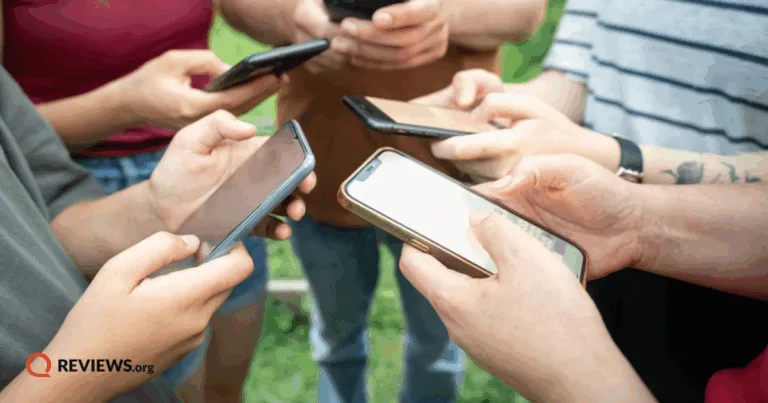
A group of people spending time on their phones. Image credit: iStock.com/ArtMarie

// Gen Z scrolls longer, Boomers check in more
Trevor Wheelwright
Mar 11, 2026
Icon Time To Read2 min read

The two kinds of phone use

According to the Reviews.org report on 2026 Cell Phone Usage Stats, how we use our mobile devices depends on which era we grew up in and how we define ‘usage.’ Is it a matter of total time spent, or how often someone reaches for their phone to check it?

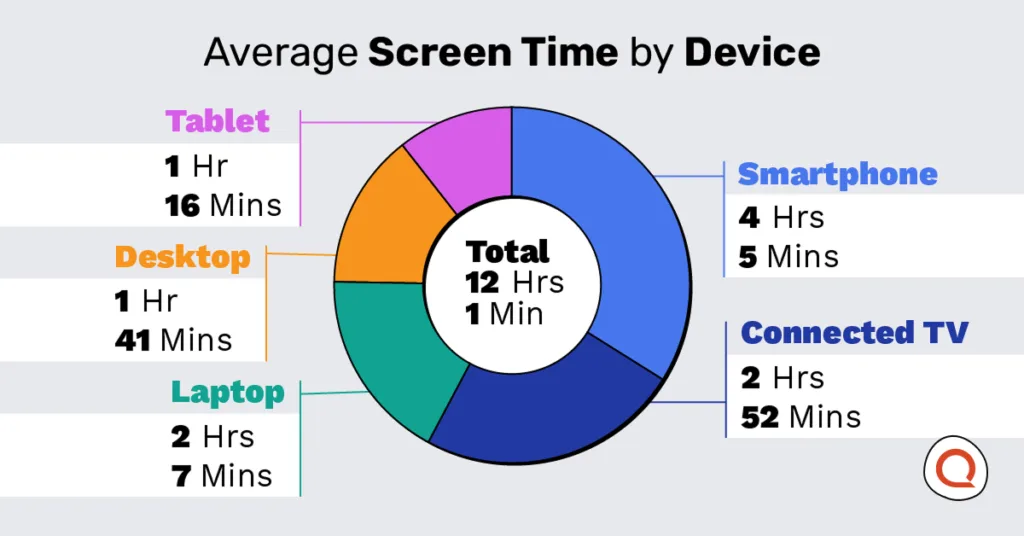
At both ends of the spectrum, generational differences arise: Gen Z spends 4 hours and 6 minutes a day on smartphones, the highest of the four generations. Meanwhile, Baby Boomers have the most phone pickups at 224 a day.

This suggests that once Gen Z picks up the phone, they stay on longer, whereas Boomers may turn to their phones more often but don't spend as much time scrolling.

Gen Z’s phone time: longer daily sessions

At 4 hours and 6 minutes a day, Gen Z’s longer phone sessions are more likely to be filled with video content, scrolling social media, and messaging. These sessions involve more consistent use with fewer interruptions.

Parents of Gen Z may want to make sure their kids have enough data to avoid getting slammed with overage fees.

Boomers’ phone pickups: the constant check-in pattern

Boomers pick up their phones more than any other generation — 224 times per day. Rather than devoting blocked-out sessions to phone use, they tend to check in frequently throughout the day — fitting in news, texts, calls, and quick glances in between other activities.

Boomers generally treat their phones like a tool for information and communication while they’re entertaining themselves with other matters.

What this means in real life

Boomers may be more frequently interrupted, despite spending less total time on their phones. Gen Z’s attention tends to be fixed on their phone during downtime, while Boomers supplement their current activity with quick pickups throughout the day.

For example, a Gen Z-er might spend hours scrolling, watching videos, and messaging friends without frequent pickups. A Boomer, on the other hand, may be doing things around the house, looking up recipes or how-tos, replying to a message, and carrying on with their day without completely focusing on their phone.

Methodology and what the numbers can’t tell us

The survey from Reviews.org included responses from 1,000 U.S. adults, conducted in Q4 2025, and does not include Generation Alpha.

Keep in mind that these are volunteered answers rather than observed evidence, and everyone has different perceptions of their time spent on phones. Only you can determine if your phone use is excessive or distracting, and it’s worth considering a digital detox if you feel like it’s taking up too much of your life.

Trevor Wheelwright
Written by
Trevor’s written about YMYL (your money, your life) topics for over six years across editorial publications and retail/eCommerce sites. His work’s been featured on Forbes, RealSimple, USA Today, MSN, BusinessInsider, Entrepreneur, PCMag, and CNN. When he’s not researching and writing, you can find him around Salt Lake City, Utah, snapping photos of mountains and architecture or seeking out some good tunes and friendly faces.

Related Articles

Woman adjusting smart home thermostat. Image credit: iStock/monkeybusinessimages
The Typical American Home Now Has 11 Connected Devices—Does Yours?
Americans now have 11 connected devices at home on average, from smart TVs and doorbells...
Smart tech hub connecting all areas of tech in a household. Image credit: iStock/gorodenkoff
1 in 4 Americans Are Using Smart Tech to Automate More of Their Home Life
About 1 in 4 Americans now use a robot vacuum or mop, and many are...
2026 Most Popular Smart Home Devices
Reviews.org surveyed 1,000 Americans to find out which smart devices they own and how many...
2026 Consumer Trust Survey: 67% Considered Switching ISPs Over Hidden Fees
The Broadband Equity, Access, and Deployment (BEAD) program allocates $42.5 billion among U.S. states and...